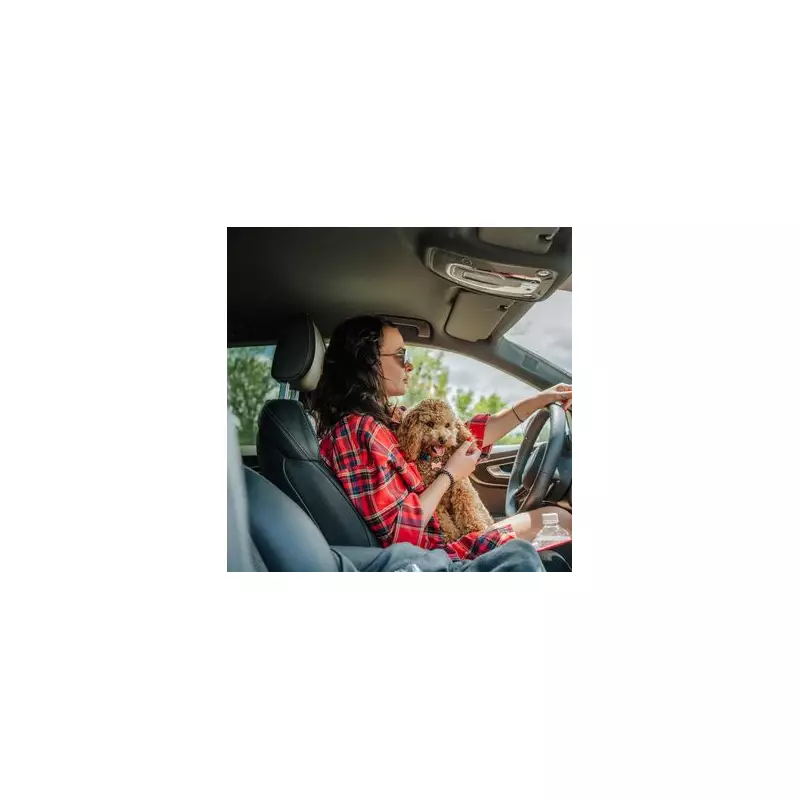
Motorists across the UK are being warned that transporting an unrestrained pet could lead to severe financial and legal repercussions, including fines of up to £5,000 and the invalidation of their car insurance.
The Legal Requirement for Pet Restraints
According to Rule 57 of the UK's Highway Code, it is a legal requirement to ensure that any animal in a vehicle is suitably restrained. This is not merely a suggestion but a crucial safety measure designed to prevent distractions and protect both the driver and the animal in the event of a sudden stop.
The rule explicitly recommends using a seat belt harness, pet carrier, dog cage, or dog guard as effective methods for securing your dog or cat. An unrestrained pet can easily cause a dangerous distraction, increasing the risk of a collision.
Financial and Legal Consequences
Failing to properly secure your pet can result in an immediate fixed penalty of £1,000. However, if the matter is escalated to court, drivers could face a much steeper fine of up to £5,000.
In addition to the financial penalty, the courts can impose up to nine penalty points on a driving licence. For newly qualified drivers who are within the first two years of passing their test, accumulating six or more points typically leads to their licence being revoked.
Impact on Your Car Insurance Policy
The ramifications extend beyond direct fines. Most British insurance providers include clauses that require pets to be secured. If you need to make a claim and it is discovered that an unrestrained pet was in the car at the time of the incident, your insurer may declare your policy invalid.
This means you could be left personally liable for all costs associated with the accident, facing significant legal and financial complications. It is also important to note that while comprehensive insurance covers people in the vehicle, it generally does not provide cover for the animals themselves, unless specified in your policy.
How to Transport Your Pet Safely
To avoid these severe penalties and ensure everyone's safety, always use an appropriate restraint. Placing your pet in the back seat is also highly advisable, as it further minimises driver distraction and protects the animal from injury caused by a deploying front airbag.
By taking these simple precautions, you can protect your beloved companion, your finances, and your driving record.