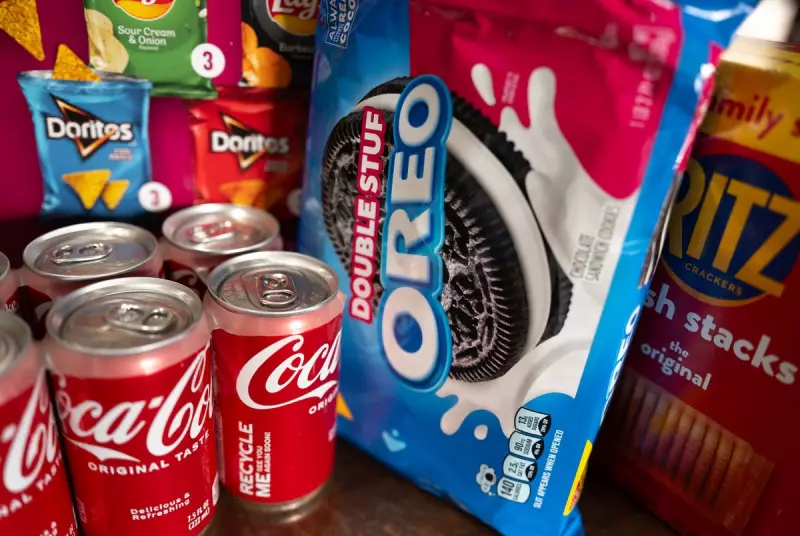
Major food manufacturers in the United States are mounting a fierce counter-offensive against Health Secretary Robert F. Kennedy Jr.'s aggressive campaign to regulate ultra-processed foods, framing the debate around the escalating cost of living.
The Affordability Argument Takes Centre Stage
According to a report by Politico, industry leaders including Kraft Heinz, Nestle, and PepsiCo have united under a new coalition named Americans for Ingredient Transparency. The group, formed in October, is lobbying hard against federal and state-level food regulations championed by Kennedy and his 'Make America Healthy Again' (MAHA) allies.
Their central claim is that the proposed rules will drive grocery prices higher for American families already struggling with inflation. Sam Geduldig, a managing partner at the Republican lobbying firm CGCN which represents Kraft Heinz, told Politico the dynamic is squarely about affordability. He positioned the MAHA movement's health goals as running counter to pressing economic concerns.

"President Trump is cutting costs and delivering real relief for working families, but these well-intentioned state bills are creating a patchwork of labelling regulations that could undermine his goal to lower costs for Americans," said Andy Koenig, a senior adviser to the new industry coalition.
Kennedy's Crusade and the State-Led Surge
Since his confirmation, HHS Secretary Kennedy has been unequivocal, telling lawmakers that food makers have been allowed to "mass poison American children." He has consistently argued that ultra-processed, nutrient-poor food is a major contributor to chronic disease.
The former environmental lawyer is now seeking to tighten federal oversight, particularly when companies alter recipes. Simultaneously, he has spurred states like Oklahoma, Louisiana, and Texas to enact their own stricter regulations. This year has seen a significant spike in legislative activity, with over a hundred bills introduced nationwide targeting sugary drinks, synthetic dyes, and chemical additives.
Public opinion appears divided on the issue. An October poll from KFF found most Americans believe highly processed foods are a major threat to children's health. Yet, a November Politico survey ranked the cost of living as the country's top problem, with grocery prices singled out as the most challenging expense.
Lobbying Power and the Federalism Fight
The formation of the Americans for Ingredient Transparency group comes during a period of record spending by food industry lobbyists, and its influence may already be felt. The New York Times reported that Senator Roger Marshall, a Republican from Kansas, had explored legislation to create a federal food standard that would override state laws, though the provision was later dropped.
This push for federal pre-emption has drawn sharp criticism from MAHA supporters and food safety advocates. Jennifer Galardi, a senior policy analyst at the Heritage Foundation, argued that a single federal standard tends to favour large multinational companies with deep lobbying pockets, whereas a state-by-state approach provides vital checks and balances.
Melanie Benesh of the Environmental Working Group was more blunt, accusing the industry of a cynical ploy. "This isn’t about affordability," she stated. "This is about maintaining the status quo."
The health stakes are considerable. A comprehensive 2024 review of 45 meta-analyses, covering millions of participants, concluded that diets high in ultra-processed foods increase the risk of death from cardiovascular disease by 50%, obesity by 55%, and type 2 diabetes by 40%.
Historically, state and local governments have often moved faster than federal authorities on health and environment rules. The federal ban on trans fats, for instance, did not come until 2021—14 years after New York City first restricted them.