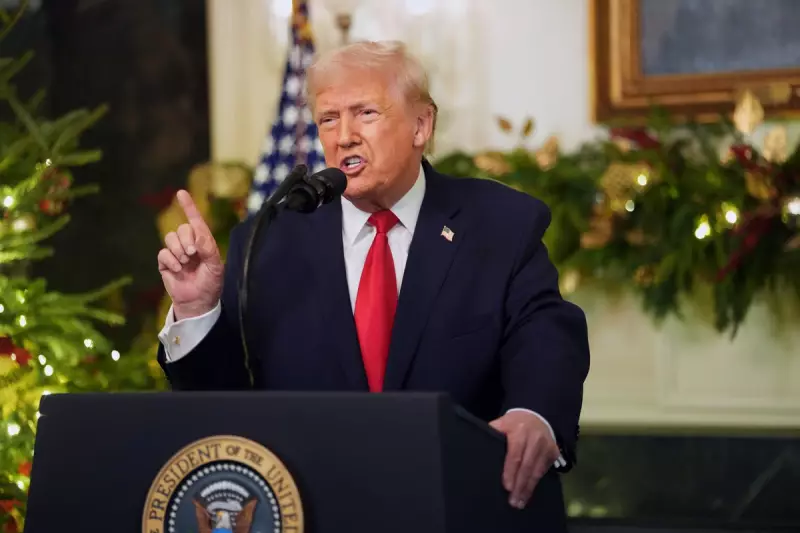
In a significant shift for US drug policy, the Trump administration has directed officials to begin the process of reclassifying marijuana under federal law. The move, announced on Thursday 18 December 2025, aims to facilitate medical research but stops short of any broader legalisation for recreational use.
What the Reclassification Means
The directive orders the Drug Enforcement Administration (DEA) to move cannabis from its current, more restrictive classification to Schedule III of the Controlled Substances Act. This category is for substances with a moderate to low potential for physical and psychological dependence. Crucially, this action is intended to reduce barriers for scientific and medical research into cannabis and CBD products, a long-standing goal for many patient advocacy groups.
Announcing the decision, former President Donald Trump stated the change was driven by requests from patients, including military veterans, suffering from various conditions. He simultaneously emphasised that the administration views recreational marijuana use as unsafe and that the federal prohibition on it will remain fully intact.

The Administration's Stated Goals
A senior administration official confirmed that the attorney general has been instructed to expedite the rescheduling process. The primary objective, according to the White House, is to improve access for medical research, potentially leading to new treatments.
Furthermore, the White House Deputy Chief of Staff for Legislative Affairs will work with Congress to pass legislation ensuring access to what are described as appropriate full-spectrum CBD products, while restricting products that may pose health risks. This indicates a targeted, regulatory approach focused on specific therapeutic compounds rather than the plant as a whole.
Implications and Next Steps
This policy shift represents a notable, yet carefully limited, evolution in the federal stance on cannabis. While it could unlock a new era of clinical studies and pharmaceutical development, it deliberately maintains the legal chasm between federal and state laws in America, where many states have legalised recreational use.
The move underscores a continued distinction in federal policy between medical application and recreational consumption. For now, patients and researchers may see new opportunities, but the federal ban on non-medical marijuana use stays firmly in place under this directive.