The world's largest convenience store chain, 7-Eleven, is executing a dramatic strategic U-turn, moving away from its traditional petrol station model to embrace freshly prepared meals and exclusive own-brand snacks. This pivot follows the closure of 444 'underperforming' stores across the United States, Canada, and Mexico last year.
From Forecourt to Food Court: A New Playbook
For decades, a significant portion of 7-Eleven's profits from its 13,000 North American outlets were tied to petrol sales and the impulse purchases of branded sodas, snacks, and cigarettes made by drivers filling their tanks. However, changing consumer habits, including the rise of fuel-efficient and hybrid vehicles, have eroded this model.
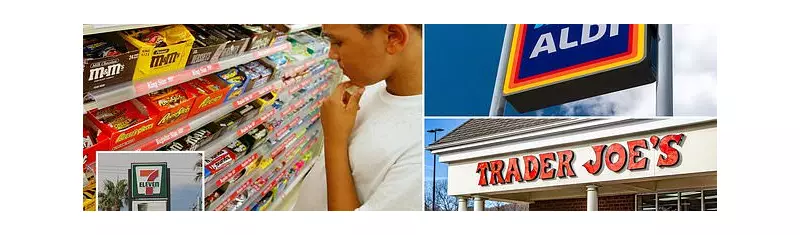
The chain's parent company, Seven & i Holdings, is now borrowing tactics from successful retailers like Aldi and Trader Joe's. It is aggressively shifting focus towards higher-margin, own-label products which it controls from conception to shelf. This move away from heavily branded, low-margin items like standard candy bars and petrol is central to its revival plan.

The Power of Private Label
Selling own-brand goods is far more profitable. When 7-Eleven sells a national brand, it pays wholesale costs and has limited pricing power due to customer price comparisons across retailers. In contrast, creating its own products eliminates the middleman, allowing the company to design, source, and price items for maximum return.
This strategy is core to the DNA of Trader Joe's, which launched its first private-label product—a bag of granola—in 1972. Similarly, Aldi has built its formidable growth in the US on a foundation of private labels, recently emphasising this with a major rebrand placing its name directly on packaging.
Learning from Japanese Success and Preparing for Independence
In many ways, this shift sees 7-Eleven's North American operations learning from its own successful blueprint in Japan. Japanese 7-Elevens do not have petrol stations and have long competed solely on the quality and convenience of their food offerings, earning strong customer trust without the 'petrol station stigma' sometimes faced in the US.
The robust profit growth from Japanese stores, which performed exceptionally well this year, is now providing capital to fund this transformation in the US market. This strategic overhaul coincides with a period of significant corporate change. Longtime US CEO Joe DePinto stepped down at the end of 2025, and the group is preparing its North American business to stand alone, laying the groundwork for a potential separate public listing.
The early signs suggest the new direction is working. Seven & i Holdings raised its full-year profit forecast following stronger-than-expected third-quarter revenue. By closing underperforming locations and boldly reimagining its product mix, 7-Eleven is betting that the future of convenience lies not at the pump, but in the quality of the food on its shelves.