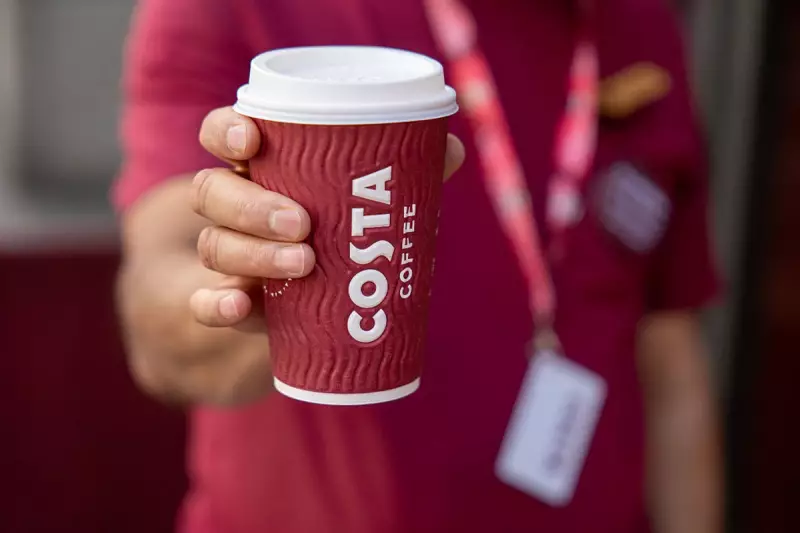
The UK's high street coffee giant, Costa Coffee, has seen its financial struggles deepen significantly, with operating losses more than doubling during 2024. The chain, owned by beverage titan Coca-Cola, is grappling with what analysts describe as 'peak Costa' in a saturated and competitive market.
Financial Filings Reveal Deepening Losses
New documents filed with Companies House reveal that Costa Coffee's operating losses ballooned to £13.5 million for 2024. This marks a stark deterioration from the £5.8 million loss recorded the previous year and is a far cry from the chain's pre-pandemic heyday. Before Covid-19, Costa was regularly posting annual profits as high as £100 million per year.
The company attributed the poor results to intense competition from rival coffee shops and a continued decline in high street footfall. Furthermore, the business faced severe pressure from the rising cost of coffee beans and broader inflationary increases in its operating expenses, which squeezed profitability throughout the year.

A Potential Sale and Market Challenges
The financial woes come against the backdrop of a potential sale of the brand by its parent company, Coca-Cola. It was widely reported last year that Coca-Cola was seeking to offload Costa, which it purchased for almost £4 billion in 2019. Current estimates suggest a sale in the current climate would fetch no more than around £2 billion.
Recent reports indicate that private equity firm TDR Capital is the preferred bidder, but there are said to be concerns over agreeing on a final price for the deal. This potential devaluation highlights the challenges the once-dominant chain now faces.
Analyst Insight: The 'Peak Costa' Phenomenon
Analyst Clive Black of Shore Capital provided a blunt assessment of the chain's situation. "It has perhaps reached the peak of its extent in the UK, 'peak Costa' if you like, which makes it more exposed than most to competitive challenges," he said.
Black also pointed to a fundamental shift in consumer preference as a key factor. He noted a "whole plethora of independent, often artisanal players offering a better experience, a better ambience, a better story, so less corporate and much better food" is now drawing customers away from legacy chains like Costa.
The Rising Cost of a Cup and Strategic Moves
Analysis by The Telegraph highlighted the financial burden on consumers, noting that the average price of a coffee has risen by around 80p since 2022, now often exceeding £4 and reaching £5 or more in many locations. In a bid to attract customers, Costa ran a limited-time promotion last autumn in partnership with Co-op shops, offering drinks for just £1.
Despite the losses, Costa Coffee struck a more positive note in an official statement. It said: "Costa Coffee delivered like-for-like revenue growth in 2024 and demonstrated strong operational resilience despite inflationary headwinds. We continue to invest in our UK estate and the expansion of the Costa Coffee brand globally... Since being acquired by The Coca-Cola Company in 2019, Costa Coffee has delivered continued revenue growth."
The statement concluded by positioning Costa as part of Coca-Cola's broader strategy to offer a wide range of beverages for every occasion. However, the latest financial figures underscore the significant headwinds the iconic British brand must overcome to regain its former profitability.