The landscape of global travel and tourism is poised for a radical transformation over the next quarter-century, according to a leading expert. Futurologist Tom Cheesewright has unveiled a series of compelling forecasts for how we will holiday, commute, and explore the world by the year 2050.
From Two Weeks to Three Months: The New Holiday Era
One of the most significant shifts predicted by Cheesewright concerns the very length of our getaways. While the current standard for a long trip is often a two-week break, he anticipates a move towards fewer but much longer holidays. He estimates that people could routinely go away for 'anything from one to three months'.
This extended time away will be facilitated by a deeper blending of work and leisure, allowing individuals to combine professional and personal time seamlessly. This hybrid model could redefine the traditional concept of the annual holiday.

A Revolution in Transport: Autonomous and Electric
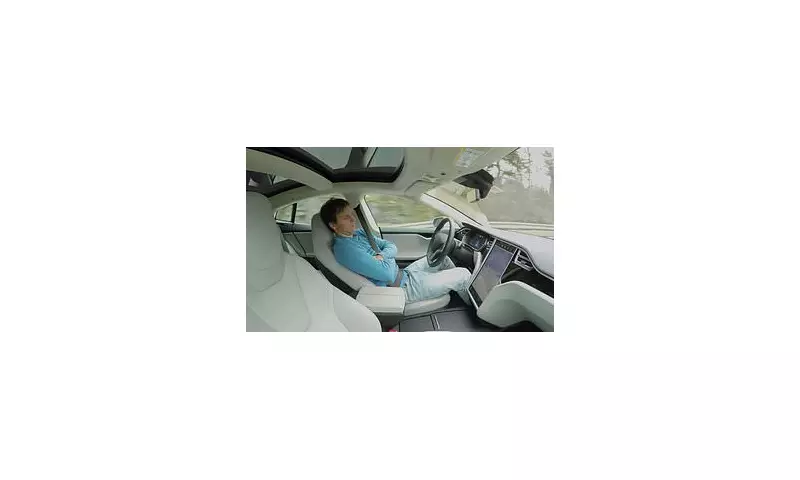
The way we move, both on the ground and in the air, is set for a dramatic overhaul. Cheesewright foresees a world where airport transfers are fully driverless. Level five autonomous vehicles, which require no human input, could become 'common in major markets', reliably providing door-to-door services in almost all weather conditions by 2050.
On the roads, petrol and diesel cars will have 'mostly disappeared', replaced by electric vehicles (EVs) with vastly improved ranges exceeding 1,000 miles. Any remaining combustion engines are expected to run on synthetic fuels.
The Future of Flight: Electric Short-Haul and Suborbital Luxury
Aviation will also undergo a profound change. For shorter journeys, electric-powered flights are predicted to become the norm. Long-haul travel, however, will likely rely on a mix of fossil and sustainable fuels.
The most eye-catching prediction, however, involves pushing the boundaries of altitude. Cheesewright suggests that by 2050, suborbital trips could be within reach for wealthy travellers. Furthermore, the concept of a geostationary hotel featuring a zero-gravity spa is floated as a possibility, marking the dawn of space tourism.
An Optimistic Outlook on Technological Progress
Despite common anxieties about rapid technological change, Cheesewright offers a decidedly optimistic vision. He encourages looking at the monumental progress of the 21st century so far, from renewable energy growth to medical breakthroughs, as evidence of humanity's capacity for positive advancement.
'If we back these bold ambitions, harness these innovations,' he comments, 'the next 24 years have the potential to be the greatest era of human progress in our long history.' His predictions paint a picture of a future where travel is longer, smarter, cleaner, and extends beyond the confines of our planet.