UK motorists are being issued an urgent warning to carry out essential vehicle checks and adjustments, with forecasters predicting a severe three-day snow blizzard is set to hit the country later this month.
Critical Winter Checks to Prevent Breakdowns
The warning comes as the nation grapples with ongoing freezing temperatures, recent snow flurries, and the aftermath of Storm Goretti. Andy Watt, Group Vice President for Mercedes-Benz at Stratstone, emphasises that proactive preparation is key to reducing the heightened risk of accidents and breakdowns during icy conditions.
"Winter driving conditions can catch all drivers off guard, including the most experienced," Watt stated. "Freezing temperatures, wet roads, and darker driving conditions all increase the risks. Taking just a few minutes to check your battery, fluids, tyres, and lights before setting off can significantly reduce the chance of breaking down and potentially getting stranded."

Tyre Safety and Battery Health Are Paramount
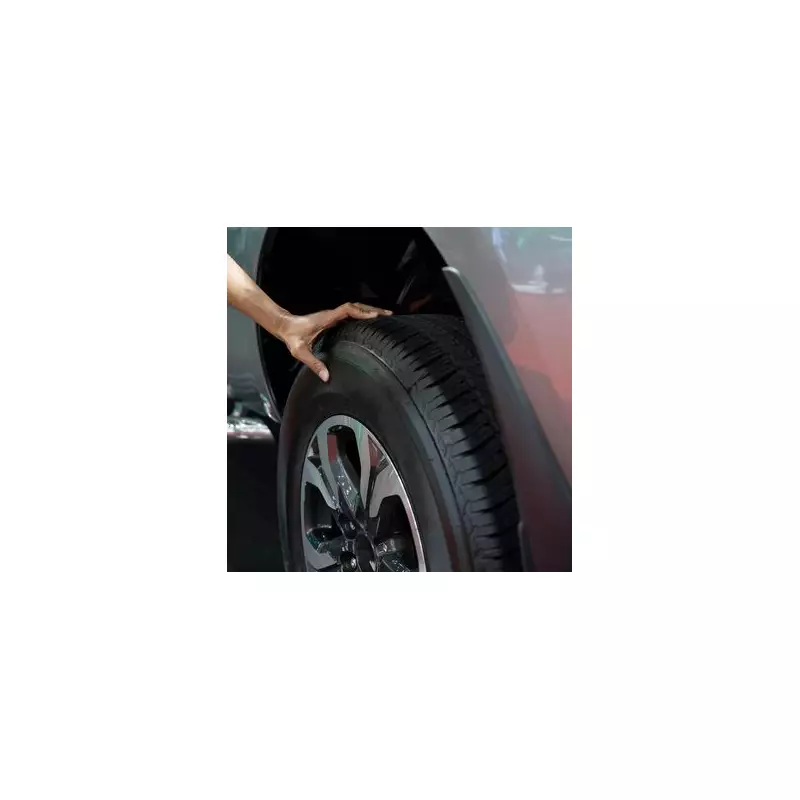
On the subject of tyres, Watt provided crucial guidance. While the legal minimum tread depth is 1.66mm, he advises drivers to aim for at least 3mm during winter months. "Deeper tread helps your car have better grip in wet, icy, and snowy conditions, which can dramatically reduce stopping distances," he explained. He also warned that cold weather causes tyre pressures to drop rapidly, a check that affects both safety and fuel economy.
Battery failures are a leading cause of winter breakdowns. "Not only does the cold weather make your engine harder to start, but you’re also using more power for heating, lighting, and your wipers," Watt said. His advice is clear: if your battery is over four years old, have it tested or replaced preemptively.
Fluids, Visibility and Essential Winter Kits
To prevent major engine damage, Watt stresses the importance of coolant. He recommends ensuring it is topped up and mixed in a 50/50 ratio with antifreeze. Screenwash levels should also be monitored closely due to increased use from road spray.
For visibility, which is already compromised in winter, ensuring all lights are clean and functional is vital. "A blown bulb is not just a safety hazard, but it can also lead to a failed MOT or a police stop," Watt noted.
He also strongly advocates for drivers to assemble a winter essentials kit for their vehicle, especially if travel is necessary during snow or ice warnings. This should include:
- Blankets and a hi-vis vest
- A torch and a shovel
- Snacks and water
"These items can make a huge difference if you're stuck or you break down in poor conditions," he added.
Avoid Costly Windscreen Mistakes
Watt issued a specific warning against a common winter mistake: using boiling water to de-ice windscreens. "This can lead to your windscreen cracking instantly, leaving you with a repair bill of several hundred pounds," he cautioned. Safer alternatives include using a scraper and de-icer spray or starting the car early with the heater on a low setting.
With the threat of a prolonged three-day snow blizzard on the horizon later in January, taking these expert precautions now could be the difference between a safe journey and a dangerous winter ordeal.