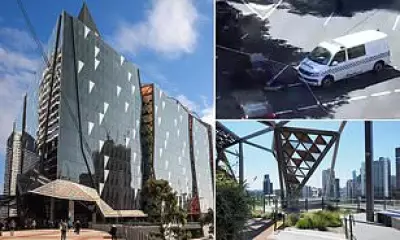
Commuters in East London are facing severe travel disruption on Tuesday after a significant fault with a live power rail brought parts of the London Overground network to a standstill.
What Caused the Major Disruption?
The chaos stems from an issue with the electric third rail in the Camden Road area, a critical component that supplies power to trains. This fault, which occurred overnight, has not only cut power but has also caused significant problems with the signalling equipment on the line.
As a direct result, all London Overground services running in both directions between Stratford and Willesden Junction, and between Stratford and Gospel Oak, are subject to major delays, cancellations, or revisions. National Rail has warned that disruption is likely to continue until the end of service on Tuesday, December 30, 2025.

Stratford Station at a Standstill
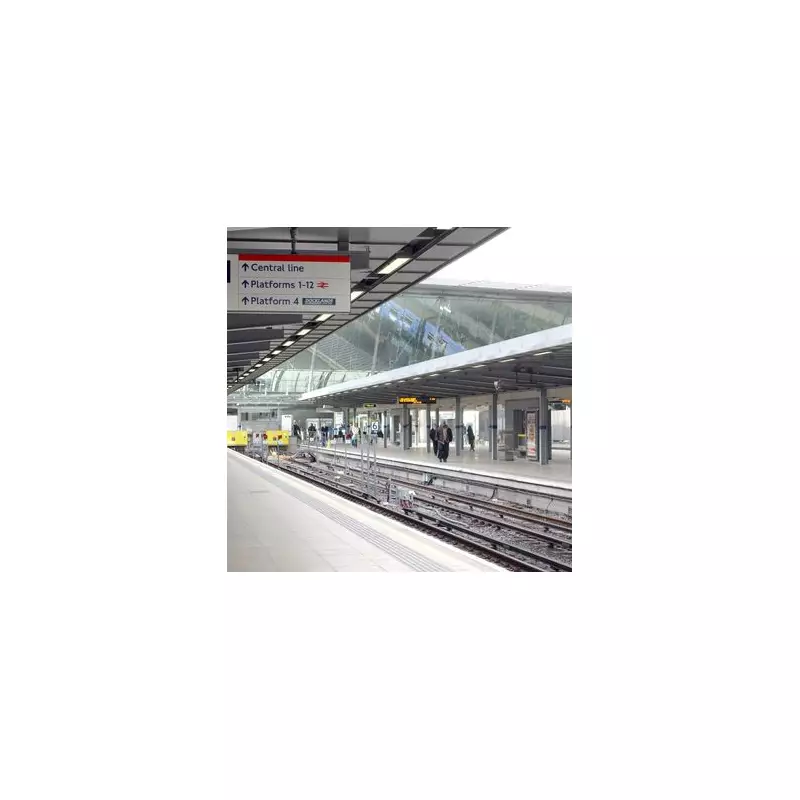
The impact is being felt most acutely at Stratford Station, the busiest London Underground station outside of fare zone 1. As a major interchange hub, it sees thousands of passengers arriving from Essex and the East of England before changing for services across the capital.
Authorities are urging all passengers planning to travel through Stratford to leave extra time for their journeys, with delays of up to 30 minutes expected. The fault has also led to one passenger train developing a mechanical problem, further compounding the issues.
Alternative Travel and Compensation Advice
In response to the crisis, ticket acceptance has been arranged on London buses via any reasonable route throughout the day. Several bus services operate to and from Stratford, providing a vital alternative for stranded commuters.
National Rail has also issued guidance for those affected, stating: "You may be entitled to compensation if you experience a delay in completing your journey today. Please keep your train ticket and make a note of your journey, as both will be required to support any claim."
The London Overground is a vital artery for the capital, facilitating over 189 million journeys annually across its 113 stations, including key hubs like Clapham Junction and Richmond. While faults with the conductor rail system are described as rare by Network Rail, they cause widespread disruption when they occur. The system is a cost-efficient method of electrification, crucial for decarbonising the railway by replacing diesel trains.