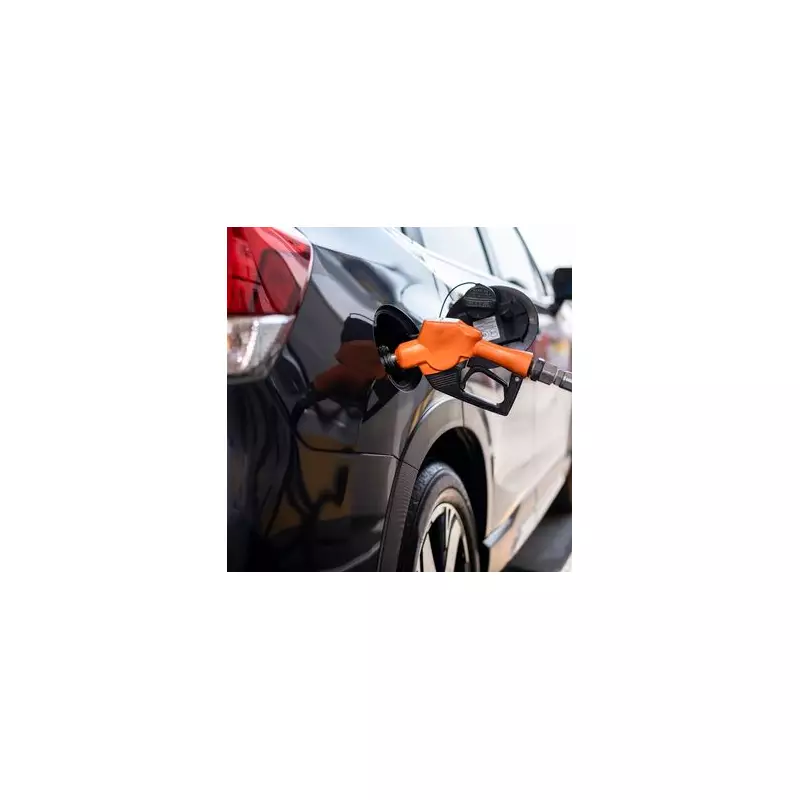
A significant shift is coming for Britain's forecourts, with a new analysis predicting that many filling stations will cease selling diesel fuel within the next four to ten years. The decline is being driven by a rapid fall in the number of diesel cars on UK roads, accelerated by clean air policies and a consumer switch to electric vehicles (EVs).
The Accelerating Decline of Diesel
According to research by the EV think tank New AutoMotive, diesel vehicle numbers and fuel consumption are falling consistently across the nation. The report forecasts a dramatic drop from 15.5 million diesel cars at the end of June 2025 to just 350,000 within a decade. This plummeting demand means it will become commercially unviable for many of the UK's roughly 8,400 fuel stations to continue stocking the fuel.
Sales of diesel for cars peaked in 2017 and have been declining since, with 2023 sales volumes 22% lower than that high point. The government's planned ban on new petrol and diesel car sales from 2030 is further shaping the market, with diesel accounting for a mere 5.1% of new car registrations last year.

London Leads the Charge to Diesel-Free
The capital is expected to become the UK's first city with virtually no diesel cars. The expansion of London's Ultra Low Emission Zone (ULEZ) in 2023 means driving a diesel car registered before September 2015 anywhere in the city incurs a £12.50 daily charge. This policy is hastening the transition.
"It is likely that some, and perhaps many, filling stations in London will stop stocking diesel before the end of the decade," the New AutoMotive report stated. Ben Nelmes, the organisation's chief executive, explained that "diesel does not keep well" and degrades if it sits in tanks unsold. As availability tightens, he argues, motorists will see going electric as the "smartest option" to avoid inconvenience.
Forecourts Adapt to an Electric Future
The change is already visible on the ground. Many fuel stations are now installing high-powered EV charging points to cater to evolving customer needs. Delvin Lane, CEO of chargepoint supplier InstaVolt, said this shift delivers journeys that are "smoother, cleaner and more convenient," framing it as a rational choice driven by better technology.
A survey last year by the Petrol Retailers Association (PRA) found that only 57% of its members believe fuel will be a core revenue source in ten years. While a PRA spokesman said members have "no definitive plans to cease selling diesel," they are tracking customer preferences and investing in retail shops, valeting, and EV facilities.
Steve Gooding, director of the RAC Foundation, noted a potential irony: current concerns about a lack of public EV chargers could be "reversed" as remaining diesel drivers later struggle to find fuel. He cautioned, however, that calling the "death of diesel" today is "brave" given the vast majority of vans and trucks powering the economy still rely on it.
Nevertheless, the trend is clear. The report concludes that while pinpointing an exact date is impossible, there is a "distinct possibility" that many forecourts will stop stocking diesel throughout the 2030s, marking the end of an era for UK motoring.