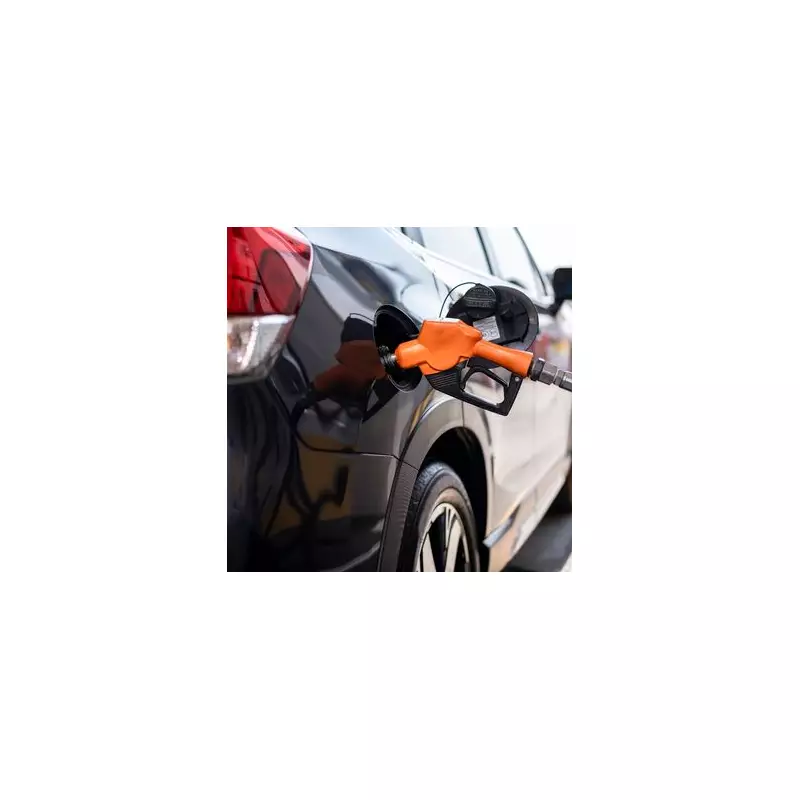
A significant shift is underway on Britain's forecourts, with a new analysis predicting that many filling stations will cease selling diesel fuel within the next decade. The decline, driven by plummeting demand and upcoming regulations, signals a major turning point for motorists and the energy retail sector.
The Accelerating Decline of Diesel
According to research by the electric vehicle think tank New AutoMotive, diesel vehicle numbers and fuel consumption are falling consistently across the nation. The report forecasts a dramatic drop in diesel cars on UK roads, from 15.5 million at the end of June 2025 to just 250,000 within ten years. This collapse in demand means that many of the UK's roughly 8,400 fuel stations are likely to stop stocking diesel by 2035.
Sales of diesel for cars peaked in 2017 and have been declining ever since. By 2023, volumes were 22% lower than that high point. This trend is reinforced by new car sales data from the Society of Motor Manufacturers and Traders, which shows that only 5.1% of new cars bought last year were diesel, compared to 46.4% petrol and 23.4% pure battery electric.

London Leads the Charge to Become Diesel-Free
London is expected to become the UK's first city with virtually no diesel cars. A key driver is the expansion of the capital's Ultra Low Emission Zone (ULEZ) in 2023, which charges owners of diesel cars registered before September 2015 a £12.50 daily fee to drive anywhere in the city. The report states it is likely that some, and perhaps many, filling stations in London will stop stocking diesel before the end of this decade.
Ben Nelmes, Chief Executive of New AutoMotive, explained the practical challenge for retailers: "As fewer people drive diesel cars, filling stations will 'stop stocking their fuel' as 'diesel does not keep well'. If fuel sits in tanks without selling at pace, it degrades." He suggests that as diesel availability tightens, motorists will see switching to an electric vehicle as the smartest option to avoid the hassle.
Forecourts Adapt to an Electric Future
The industry is already adapting to this changing landscape. Many filling stations have begun installing high-powered EV charging points to secure future revenue. Delvin Lane, CEO of chargepoint supplier InstaVolt, said this shift delivers journeys that are "smoother, cleaner and more convenient" and represents a rational choice for drivers driven by better technology.
A survey by the Petrol Retailers Association (PRA) last year found only 57% of its members believe fuel will be a core revenue source in a decade. A PRA spokesman confirmed members have "no definitive plans to cease selling diesel" but consistently track customer preferences, investing in retail shops, EV charging, and valeting services.
Steve Gooding, director of the RAC Foundation, noted the potential irony ahead: concerns over a lack of public EV chargers could be "reversed" when remaining diesel drivers struggle to find stations that still sell their fuel. He acknowledged a tipping point will come when diesel vehicle numbers fall so low that stocking the fuel becomes commercially unviable for many forecourts.
While the government's 2030 ban applies only to the sale of new petrol and diesel cars—not the use of existing ones—market forces and infrastructure changes are now poised to reshape the UK's refuelling network far sooner than many anticipated.