A Muslim cleric has been handed a suspended prison sentence for presiding over an illegal marriage ceremony involving two children, marking one of the first prosecutions under England and Wales' new child marriage law.
Ceremony conducted despite new legislation
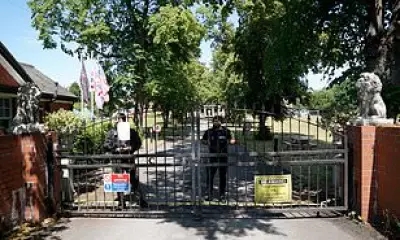
Ashraf Osmani, 52, carried out a Nikah ceremony – a form of marriage under Islamic law – for two 16-year-olds at Northampton’s Central Mosque. This act was in direct violation of the Marriage and Civil Partnership (Minimum Age) Act 2022, which raised the legal age for marriage in England and Wales from 16 to 18. The ceremony was performed at the request of the teenagers, who were in a consensual relationship.
Officers from Northamptonshire Police launched an investigation after safeguarding concerns were reported. Osmani was subsequently charged with two counts of carrying out conduct for the purpose of causing a child to enter into a marriage.

Guilty plea and suspended sentence
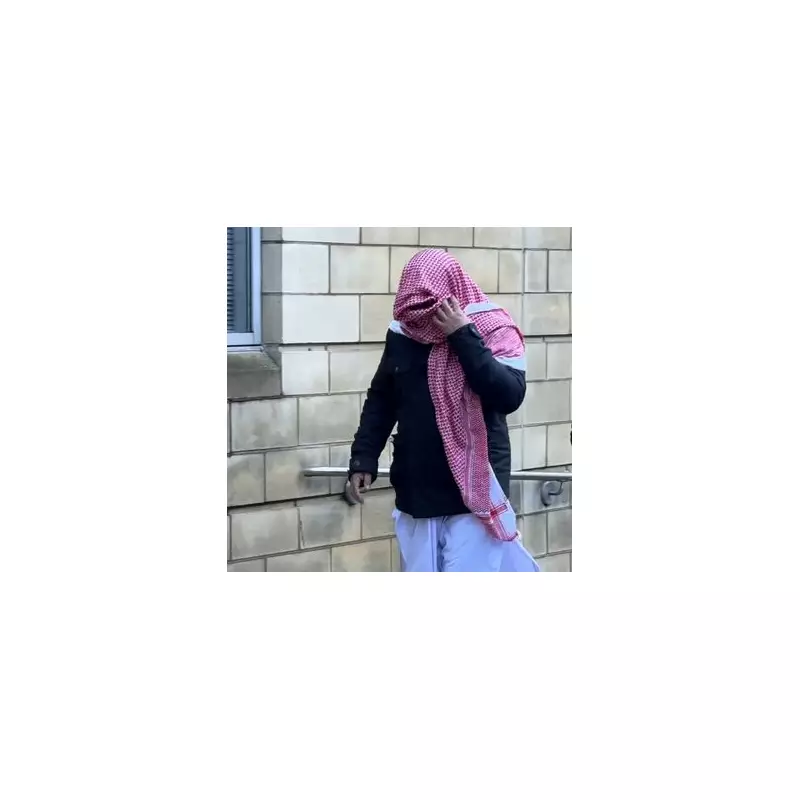
At a hearing at Northampton Crown Court on 19 January 2026, Osmani pleaded guilty to both charges. The court sentenced him to 15 weeks' imprisonment, suspended for a period. This means he will not serve immediate jail time unless he breaches the conditions of his suspension.
In a statement following the sentencing, Deputy Chief Crown Prosecutor for CPS East Midlands, Samantha Shallow, emphasised the significance of the case. "This prosecution enforces new legislation brought in to protect young people," she stated. "Although the young people involved requested this ceremony, it is unlawful to conduct any form of binding marriage ceremony on people under the age of 18."
Shallow addressed Osmani's defence, noting: "He claimed he was unaware of the change in legislation, but as a significant figure in his faith community, it was his responsibility to be aware of and abide by the law. His failure to do so was a criminal act."
Law aims to protect vulnerable young people
The Crown Prosecution Service clarified that while this specific case did not involve coercion or force, the law's primary purpose is protective. A CPS spokesperson explained that the legislation is a crucial tool in combating forced marriages, where victims often face immense pressure.
"Victims of forced marriage often face threats, coercion, and violence, sometimes from members of their own family or community," the spokesperson said. "This can make it incredibly difficult for them to recognise themselves as victims or report what is happening." The CPS added that its prosecutors receive specialist training to handle such complex, 'honour'-based abuse cases.
The case sets a clear legal precedent, underscoring that religious or cultural ceremonies are not exempt from national law. All individuals conducting marriages now bear the responsibility of verifying the age of participants to ensure compliance with the raised legal threshold of 18 years.