A tragic incident in a central London car park, where a five-year-old boy was killed by an electric car, has led to a trial at the Old Bailey. The driver claims the vehicle moved on its own after the child touched an external sensor, a claim disputed by police experts.
The Fatal Incident Near London Bridge
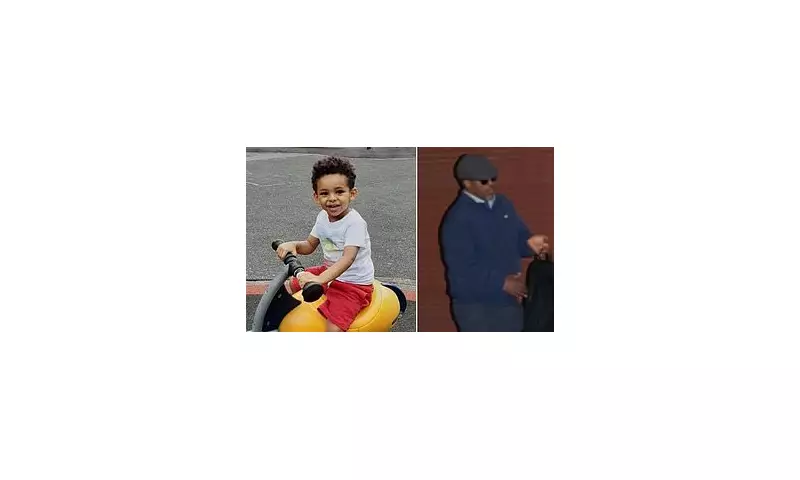
The collision occurred on 25 November 2022 outside a flat near London Bridge Station. Ashenafei Demissie, 53, was in his electric Volkswagen ID.4 when it struck five-year-old Fareed Amir and Demissie's own 12-year-old son, Raphael. Fareed was walking home from primary school with his mother, Maryam Lemulu, when they stopped to speak to Demissie's wife, a family friend of 13 years.
Prosecutor Michael Williams told the court that Demissie, a taxi driver, had offered Fareed a sweet from inside the car. The vehicle then suddenly shot forward, hitting both boys before crashing into five other parked cars. Fareed's mother carried him to Guy's Hospital, where he was pronounced dead from a fractured skull. Raphael spent a month in hospital with two broken legs.

Driver's Account and Police Investigation
In a police interview played to the jury, Demissie denied any responsibility, stating he believed the car jumped because Fareed triggered the sensor at the front of the vehicle. "I have been driving 21 years and never seen anything like it," he said, claiming he had taken his foot off the pedals.
However, Mark Still, a Senior Forensic Collision Investigator for the Metropolitan Police, presented a starkly different conclusion. He told jurors that a detailed examination of the year-old Volkswagen found no mechanical defects that could explain the crash. "I was unable to make the car accelerate without driver input," he stated.
Expert Analysis Points to Driver Error
Mr Still explained that the car could not be put into gear without a foot on the brake and that its cruise control system required deliberate driver input. He said data showed the car was accelerating at near maximum speed upon impact, with no evidence of braking.
"I concluded that the accelerator was pressed," Mr Still testified. He suggested a common scenario of pedal confusion, where a driver mistakes the accelerator for the brake and presses harder in a panic, causing rapid acceleration. Damage to the front right of the car was consistent with the collision but did not indicate any fault causing unintended movement.
Demissie, from Southwark, has pleaded not guilty to charges of causing death by careless driving and causing serious injury by careless driving. The trial continues.