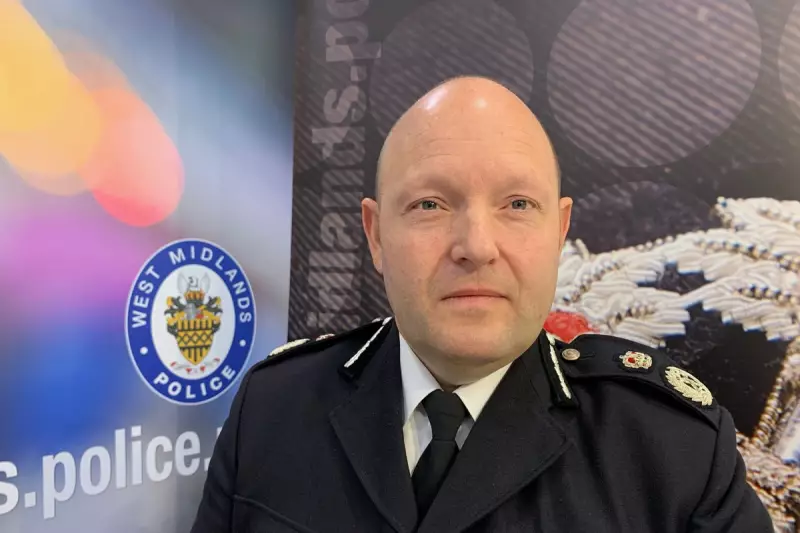
The retired chief constable of West Midlands Police has been formally referred to the police watchdog over the controversial decision to ban supporters of Israeli football club Maccabi Tel Aviv from attending a match last year.
Referral Follows Retirement Announcement
Craig Guildford, 52, announced his retirement from the force on Friday, 16 January 2026. The West Midlands police and crime commissioner (PCC), Simon Foster, who held the power to dismiss him but chose not to, initially stated that Mr Guildford had acted with honour upon his departure.
However, in a significant shift on Monday 19 January, Mr Foster announced a voluntary referral to the Independent Office for Police Conduct (IOPC). This decision followed a meeting with the force's acting chief and deputy chief constables.

Mr Foster stated that the events surrounding the fan ban had "had a significant impact on public confidence, and the confidence of particular communities in the West Midlands," labelling the situation as unacceptable. He emphasised that holding the force accountable for its actions remained a top priority.
Watchdog Launches Investigation into 'AI Hallucination'
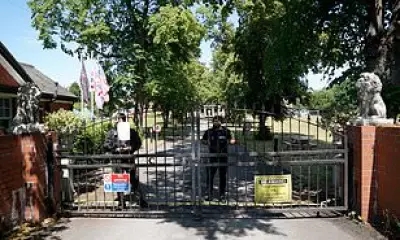
The IOPC confirmed on Monday that it will investigate the decision to bar the away fans from the Europa League match at Villa Park on 6 November. The ban was enacted by the local Safety Advisory Group (Sag) based on police advice citing safety concerns.
The probe was prompted by a damning review ordered by the Home Secretary and conducted by Chief Inspector of Constabulary Sir Andy Cooke. His report found eight "inaccuracies" in the intelligence document West Midlands Police provided to the Sag.
Most notably, the police report incorrectly referenced a non-existent match between Maccabi Tel Aviv and West Ham United. This error was later identified as an "AI hallucination" generated by the Microsoft Copilot tool.
Unanswered Questions and Scope of the Probe
Rachel Watson, the IOPC director general, said the watchdog had received new information from the force and would conduct a full assessment. "There are many unanswered questions and it's right for accountability and public confidence for us to independently investigate," she stated.
The IOPC investigation will determine if any officer breached professional standards. It will examine the preparation of the flawed briefing, including who was involved, how information was gathered, and what verification checks were in place.
Furthermore, the probe will scrutinise record-keeping by individual officers and assess the assertion within the briefing that local Jewish community representatives in Birmingham had been consulted prior to the decision.
The watchdog's investigation underscores the serious fallout from a decision that has raised major questions about police intelligence-gathering processes and community relations.