Metropolitan Police Faces Backlash Over Anti-Racism Strategy Restructuring
The Metropolitan Police has been accused of insulting black people and trivialising the pain it has historically caused them, following the revelation of plans to integrate its dedicated anti-racism strategy into a wider anti-discrimination programme. The proposed scheme, which will also encompass gender and sexual orientation policies, is intended to help the Met better serve communities it has failed in the past, according to police leadership.
Academic Condemns Move as "Embarrassing and Insulting"
Dr Shereen Daniels, the academic whose damning report on race for the Met last year found the force caused significant harm to black people, has strongly criticised the restructuring. She asserts that the organisation lacks the genuine will to eradicate prejudice and warned that this represents a regression in efforts to address systemic issues.
Daniels and other critics argue that the new plan risks diluting the force's commitment to anti-racism, which has already been under fire for being insufficient and overdue. Speaking about the changes, Daniels stated: "Dropping race for inclusion is embarrassing and insulting for those who have been harmed. Rebranding to inclusion means the Met gets to avoid confronting its organisational design. This is insulting and makes a mockery of the experiences black Londoners, police officers, staff and volunteers have had to put up with for decades."

Commissioner Defends Broader Approach
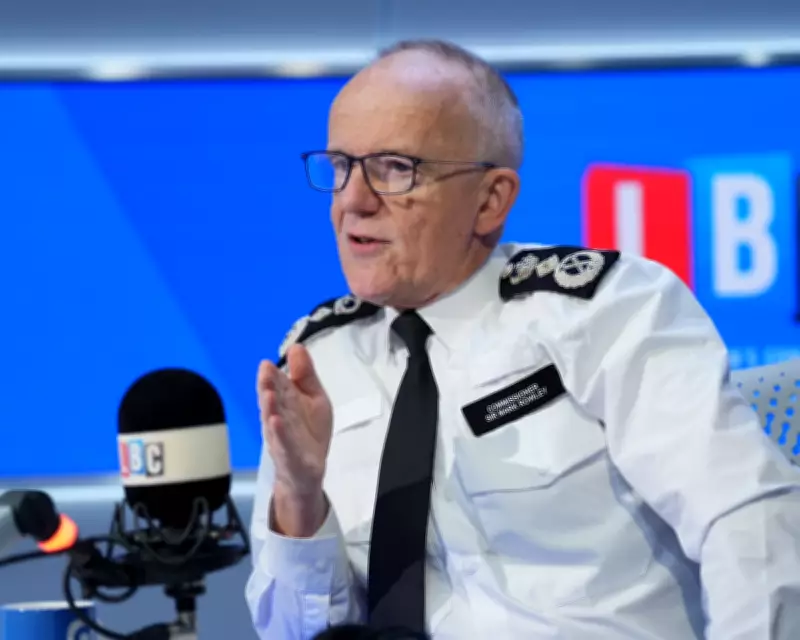
At the London policing board, Metropolitan Police Commissioner Sir Mark Rowley denied that the new plan signifies a move away from focusing on race, which has been a persistent problem for the force over decades. Rowley emphasised: "One of those key areas for action will be in relation to black communities. Another will definitely be in respect of LGBT communities, another in respect of gender. So I think all of those issues are important but doing it systemically, recognising intersectionality and the complexity ... of the area of work is going to be critical."
Rowley further explained that the approach is not about becoming nonspecific or nontargeted, but rather about being deliberate in addressing both cross-cutting and specific actions. He also noted that diversity, equality, and inclusion (DEI) policies are increasingly challenged nationally and internationally, subject to volatile and polarised public debate, citing examples from the US and UK.
Historical Context and Ongoing Concerns
Daniels' report, titled 30 Patterns of Harm and published in November, was commissioned by the Met itself. It found that the racial harm inflicted on black people by the force is institutionally defended, with leadership and culture protecting the organisation from meaningful change. The report concluded that the Met's design makes it inevitable that racial harm continues to reoccur.
Since the report's publication, Daniels has not met with Commissioner Rowley and has decided she can no longer work with the Met, despite requests for her continued assistance. She expressed scepticism about the commissioner's commitment, stating: "People tell me he cares. I beg to differ. This is not a commissioner taking racial discrimination and racial harm seriously. They seem to be kicking the ball into the long grass. These are delaying tactics."
Rowley has previously denied that the Met is institutionally prejudiced, despite a 2023 report by Louise Casey which found the force biased against ethnic minorities, women, and institutionally homophobic. Daniels remarked on the current situation: "We've gone back five years, they might as well not have bothered."
Internal Acknowledgment of Risks
A Metropolitan Police document prepared for the London policing board acknowledged potential benefits of the broader strategy but also highlighted significant risks. It noted that moving the race action plan into a wider strategy may run the risk of losing focus on anti-black racism, which has been the most intransigent issue for the Metropolitan Police Service for decades. The document stressed the importance of understanding how the Met will mitigate this risk.

The force has stated it will now consult on the proposed changes and pointed to gains in trust from black communities since Rowley's commissionership began. However, critics remain unconvinced, with Daniels accusing the Met of reshaping the truth and using calls for more research as delaying tactics, given the extensive historical evidence from reports dating back to Scarman in the 1980s and Macpherson in 1999.