UK Assumes Key Position in Strait of Hormuz Security Amid Iranian Toll Threat
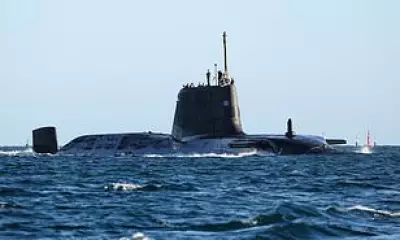
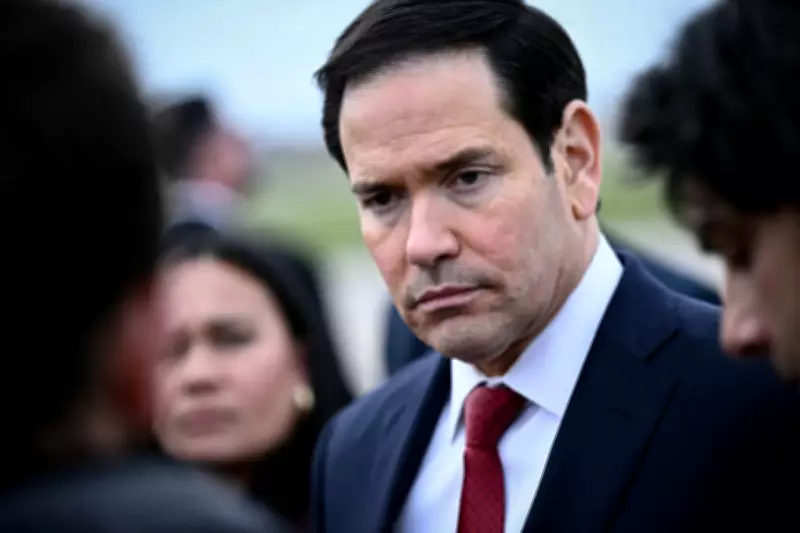
United States Secretary of State Marco Rubio has publicly affirmed that the United Kingdom is playing a "prominent role" in safeguarding the strategically vital Strait of Hormuz shipping route. This declaration comes as Iran moves aggressively to impose what maritime experts describe as an illegal "toll booth" system within this crucial global waterway.
Immediate Post-Conflict Challenge
Speaking after meetings with G7 counterparts in France, Rubio identified confronting Tehran's tightening grip on the maritime passage as one of the immediate challenges following the current Middle East conflict. "The world better step up," he warned, emphasizing the urgency of coordinated international action.
Britain's significant contribution to security efforts has been highlighted by Rubio, particularly following recent criticism from former President Donald Trump. Trump had previously attacked Prime Minister Sir Keir Starmer's stance on regional conflicts and dismissed UK aircraft carriers as mere "toys."

Iran's Toll Booth Regime
Shipping information firm Lloyd's List Intelligence has confirmed that Iran's Islamic Revolutionary Guards Corps (IRGC) has established a de facto toll system in the Strait of Hormuz. Commercial tankers are reportedly being vetted by IRGC forces, with some vessels charged up to two million dollars (£1.5 million) for safe passage through these contested waters.
The economic consequences are already being felt globally. Iran's increasing control over this strategic pinchpoint has caused oil and gas prices to skyrocket worldwide, demonstrating the waterway's critical importance to international energy markets.
International Response and Coalition Building
Rubio expressed confidence that the military campaign against Iran would conclude "in a matter of weeks, not months," suggesting Washington could achieve all objectives without deploying ground troops. However, he stressed that the post-conflict security challenge requires immediate attention.
"Not only is this illegal, it's unacceptable," Rubio stated regarding Iran's proposed tolling system. "It's dangerous to the world, and it's important that the world have a plan to confront it."
The Secretary of State revealed that the United Kingdom has taken a leading role in coordinating international efforts to address this threat. "The UK has played a prominent role in bringing that together," he noted, adding that other nations are also contributing significantly to the developing security framework.
Insurance and Escort Imperatives
Rubio outlined practical concerns that will drive international cooperation. "The first few tankers that go through the strait after this operation is over, they're going to want an escort from somebody or they're not going to be able to get insurance," he explained, highlighting the commercial realities that will necessitate protective measures.
While the United States has expressed willingness to participate in security coalitions, Rubio emphasized that Washington doesn't need to lead every initiative. "We don't have to lead that plan, but we're happy to be a part of it," he stated, encouraging broader international participation from countries with significant economic stakes in maintaining open waterways.
The Secretary of State concluded with a stark warning about the precedent being set: "Neither the Strait of Hormuz or, frankly, any international waterways should ever be something that's controlled or tolled by a nation-state or by a terroristic government like the one that exists in Iran today."