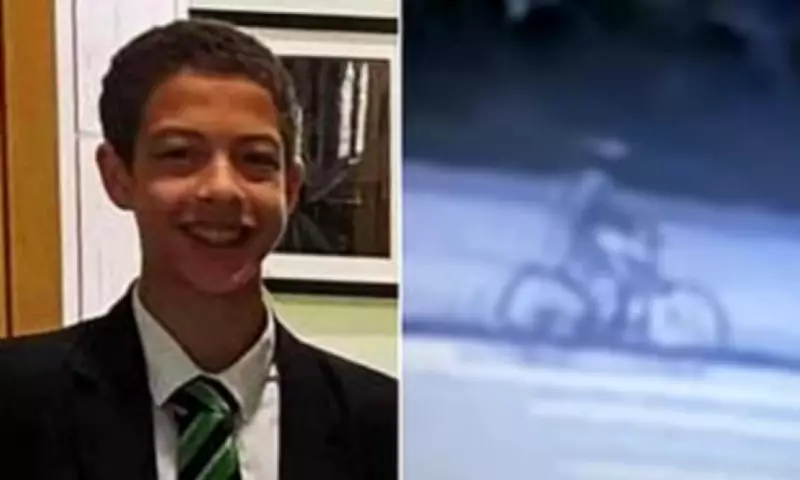
Noah Donohoe Inquest: Pathologists Conclude Drowning as Cause of Death
An inquest into the tragic death of 14-year-old Noah Donohoe has heard that experts found no evidence of direct violence from a third party during examinations of his body. The proceedings at Belfast Coroner's Court revealed that three pathologists, including the one who conducted the post-mortem, unanimously agreed that Noah likely died from drowning and was alive when he entered the water.
Disappearance and Discovery
Noah Donohoe disappeared on June 21, 2020, after leaving his home in Belfast on his bicycle to meet friends in the Cavehill area. He was last seen walking naked towards Northwood Road at approximately 6pm. Six days later, his body was discovered in a storm drain located about 600 metres away. Noah was a pupil at St Malachy's College, and his death has sparked widespread attention and grief in the community.
Expert Testimonies and Findings
The inquest jurors were presented with detailed statements from three forensic pathologists. Dr Peter McSorley, who examined Noah near the storm drain, noted the teenager was unclothed and covered in a fine silt, with faint reddening on his forehead but no obvious signs of trauma or assault. Dr Marjorie Turner, the consultant forensic pathologist who performed the post-mortem on June 27, 2020, reported extensive bruising across Noah's forehead and a large amount of fluid in his stomach, consistent with drowning. She found nothing to suggest involvement of another individual and confirmed a negative drug test.

Professor Jack Crane, former state pathologist for Northern Ireland, supported Dr Turner's assessment, suggesting Noah's head injury could have led to unconsciousness and drowning. He also speculated that Noah's behavior, including cycling naked, might indicate an acute psychotic episode, possibly linked to drug intoxication, though toxicological analysis was inconclusive due to time delays.
Joint Conclusions and Court Proceedings
A joint statement from Dr Turner, Prof Crane, and Dr Nathaniel Cary, a Home Office registered consultant forensic pathologist, was read in court. All three experts agreed on several key points:
- The cause of death was drowning, with Noah alive upon water entry.
- No positive evidence of toxicological causes, but this could not be entirely ruled out.
- No evidence of direct violence or injuries implicating a third party, though pathological evidence alone cannot exclude this possibility.
- Noah likely died closer to the time of his disappearance, possibly on the same day or shortly after, rather than when his body was found, based on decomposition and rigor mortis observations.
During questioning by Peter Coll KC, counsel to the coroner, the pathologists discussed the bruising on Noah's forehead. They explained that the extensive nature indicated it occurred while he was alive, likely from impact with a broad, flat surface, not from a weapon or a fall off his bike, as his helmet would have offered protection. They also considered hypothermia as a contributing factor to disorientation but emphasized drowning as the primary cause.
Inquest Context and Emotional Impact
Coroner Mr Justice Rooney offered breaks to Noah's mother, Fiona Donohoe, due to the distressing evidence, but she chose to remain throughout. The inquest, which resumes on Wednesday, aims to provide clarity on the circumstances surrounding Noah's death, with pathologists stressing the limitations of post-mortem findings in ruling out all possibilities. The case continues to highlight issues of adolescent safety and forensic investigation in complex death inquiries.