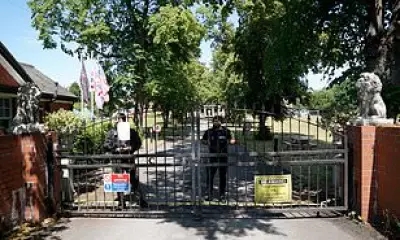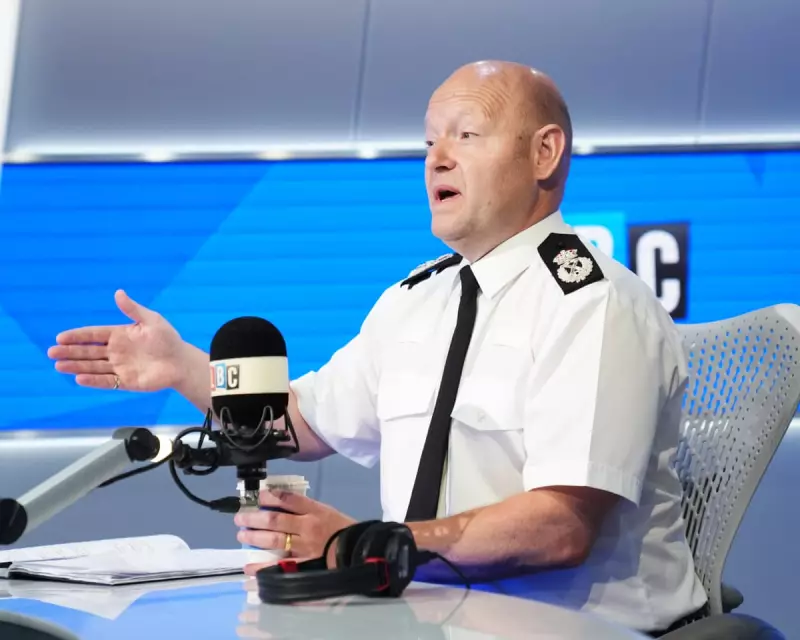
The resignation of West Midlands Police Chief Constable Craig Guildford has ignited a fierce debate about the intersection of policing, football, and political influence. Guildford stepped down following sustained criticism over his force's decision to ban supporters of Israeli club Maccabi Tel Aviv from attending a UEFA Europa Conference League match against Aston Villa in December.
A Decision Under Fire
The controversial move, made on safety grounds by the local Safety Advisory Group (SAG) which includes police, was met with immediate backlash. Senior political figures, including Labour leader Keir Starmer and shadow minister Lisa Nandy, publicly pressured the force to reverse the ban, framing it as an act of antisemitism. This intervention prompted Home Secretary James Cleverly to announce a review of police operational independence.
However, letters to The Guardian argue the decision was more nuanced. Correspondents point to documented evidence of disorder involving a section of Maccabi Tel Aviv's fanbase. This included a suspended one-match ban issued by UEFA after incidents during the club's earlier match against Germany's VfB Stuttgart. Further references were made to the notorious behaviour of some fans at a previous fixture against Ajax in Amsterdam.

Political Pressure and Policing Independence
Critics of the political reaction contend that a legitimate safety decision was mischaracterised. Derrick Cameron from Stoke-on-Trent wrote that calls for Guildford's resignation came from across the political spectrum and media, creating a "near-consensus." He suggested that either the precedent of banning away fans in other high-risk fixtures—like the Glasgow 'Old Firm' derby—was ignored, or an exception was demanded based solely on the nationality of the club involved.
"The one other explanation," Cameron argued, indicates that the establishment "leapt to the wrong conclusion about antisemitism, but demanded a scapegoat regardless." He warned that the Home Secretary's subsequent move to centralise power sends a clear message to other chief constables about the consequences of future, similarly unpopular decisions.
The Broader Questions Left Unanswered
Other correspondents, like Christine Bridges and Bob Helson from Bristol, supported the original ban, applauding Guildford and the SAG for acting responsibly in the face of political pressure. They questioned whether politicians would have taken responsibility if violence had occurred after the ban was lifted.
Keith Flett from London noted that while Guildford made errors, evidence of hardline behaviour among some Maccabi fans persists. He raised a separate, larger issue that has since been overshadowed: "why Israeli teams are still allowed to participate in football tournaments while their government continues its policy of death and destruction in Gaza and the West Bank."
The departure of Chief Constable Craig Guildford on 16 January thus stands as a flashpoint. It highlights the intense pressure on police from political figures, the complex balance between safety protocols and perceptions of discrimination, and the potent mix of sports governance with international politics.