Stop and Search Disproportionality Reaches 48 Times in London's Richest Districts
A groundbreaking report commissioned by the London mayor Sadiq Khan's office for policing and crime has uncovered extreme racial disparities in the use of stop and search powers across the capital. The research, conducted by King's College London, analysed data from 2023, examining over 150,000 stops in London, and found that black people are up to 48 times more likely than white people to be subjected to this controversial police power in some of the city's most affluent areas.
Extreme Disproportionality in Wealthy Wards
The study identified pockets of high disproportionality, particularly in districts with average house prices exceeding £1 million. In East Sheen, located within the borough of Richmond-upon-Thames, black people were 48 times more likely to be stopped and searched compared to white residents. Similarly, in Dulwich Village, black individuals were 40 times more likely to be stopped, despite comprising only 5.6% of the local population. Numerically, there were 58 searches of black people versus 21 of white people, who make up 80% of the area's residents.
In Hampstead Town in north London, the disproportionality ratio stood at 38 times. Overall, the research found that in approximately 25 of London's 679 council wards, the disproportionality was 20 times greater, with an additional 60 wards showing at least a 10-fold increase.

Vague Grounds and Weaker Justifications
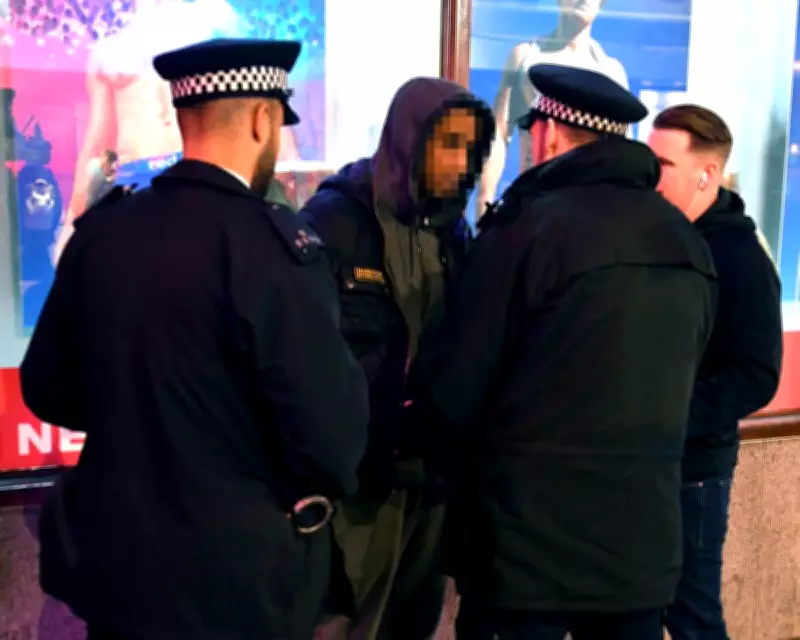
The report highlighted that the reasons provided by officers for stopping black people were often vague and subjective. Examples included claims that a black person gave a "furtive glance" or exhibited suspicious behaviour. In one instance on the Strand in central London, an officer justified a stop by stating the individual "walked past and given me a furtive glance and immediately looked away", later adding that a hand gesture led to suspicion of drug possession, though nothing was found.
Dr Yijing Li, senior lecturer in urban informatics at King's College London, commented: "Our modelling revealed clear evidence of unexplained disproportionality in how stop and search powers are used across London." The study noted that weaker grounds for stops correlate with greater damage to public confidence in the police.
Impact on Public Trust and Confidence
The research underscores a significant erosion of trust among black communities. Only 37% of black people felt that stop and search procedures were fair, compared to 65% of white individuals. When stops were perceived as unfair, trust and confidence in the Metropolitan Police plummeted to below one in four people. The report emphasised that procedural fairness is crucial, with better grounds quality linked to more positive perceptions of the power being used justly.
Political and Institutional Responses
Mayor Sadiq Khan responded to the findings, stating: "This major new research shows significant and unacceptable levels of disproportionality that we must act on. That's why, along with the other steps to support and hold the Met to account, I am introducing a mandatory annual report of how stop and search is being used in London." He added that community confidence and lives depend on getting this power right.
The Home Office described the research as "innovative" and urged the Met to "quickly act on its findings". Meanwhile, the Metropolitan Police defended its practices, noting that stops are more focused and effective at detecting crime than before. A spokesperson said: "More than seven in 10 Londoners support stop and search which, when used with precision and accuracy, is one of the most effective tools we have to deter violence and save lives." They cited independent inspections finding 95% of stops met required standards in 2024 and highlighted community scrutiny panels and a Stop and Search Charter to promote fairness.

Broader Context and Statistics
Across England and Wales, black people are four times more likely to be stopped and searched than white people, with the Met's figure slightly lower at 3.7 times. However, around two-thirds of all stops lead to no action or involve wrongly suspected individuals. The study's focus on 2023 data provides a detailed snapshot of these ongoing issues, reinforcing calls for reform and greater accountability in policing practices.