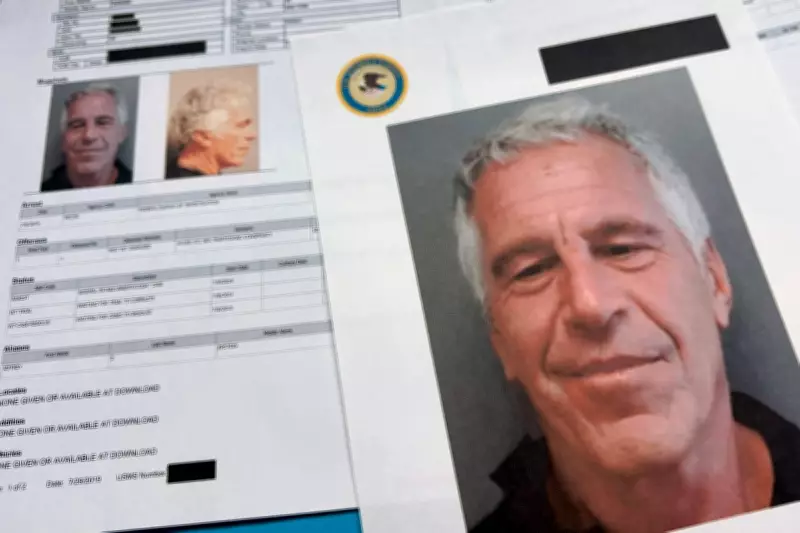
Congress Granted Access to Unredacted Epstein Documents Under Tight Security Protocols
Members of the United States Congress will be permitted to examine unredacted versions of the Jeffrey Epstein files as early as next week, according to multiple reports confirmed through official correspondence. The viewings will occur under exceptionally strict security conditions at the Department of Justice headquarters in Washington D.C.
Secure In-Person Access Arrangements
The Department of Justice has established a controlled environment where legislators can review the sensitive materials. All viewings must be scheduled with at least twenty-four hours advance notice and will take place in a designated secure reading room at the DOJ facility. Crucially, members will be prohibited from bringing any electronic devices into the viewing area, including smartphones, tablets, or recording equipment.
Assistant Attorney General Patrick Davis formally notified all 535 congressional members through an official letter that stated: "I am writing to confirm that the department is making unredacted versions of the more than 3 million pages of publicly released documents available for review by both houses of Congress starting Monday."

Document Access Parameters and Congressional Response
While viewers will be allowed to take handwritten notes during their examination sessions, they will only have electronic access to the approximately three million documents previously released to the public online. This represents just half of the total six million documents the Department of Justice acknowledges possessing in the Epstein case archive.
The congressional access follows significant criticism from bipartisan lawmakers regarding the initial document release on January 30th, which contained approximately three million pages, two thousand videos, and one hundred eighty thousand images—many with substantial redactions. Democratic Representative Ro Khanna of California and Republican Representative Thomas Massie of Kentucky have been particularly vocal advocates for complete transparency.
In a joint letter to Deputy Attorney General Todd Blanche dated January 30th, the legislators expressed their concerns: "We have seen a blanket approach to redactions in some areas, while in other cases, victim names were not redacted at all. Congress cannot properly assess the Department's handling of the Epstein and Maxwell cases without access to the complete record."
Potential Consequences for Non-Compliance
Representative Khanna has indicated that congressional patience with the Department of Justice's handling of the Epstein documents is wearing thin. During a recent appearance on NBC News' "Meet the Press," Khanna issued a stern warning: "If we don't get the remaining files... then Thomas Massie and I are prepared to move on impeachment or contempt" in reference to Attorney General Pam Bondi.
The letter from Assistant Attorney General Davis was initially shared online and subsequently reposted by Representative Khanna, highlighting the ongoing congressional pressure for full disclosure. The viewing arrangements represent a compromise that allows congressional oversight while maintaining the Department of Justice's security protocols for handling sensitive investigative materials.
This development comes amid heightened public interest in the Epstein case following the January document release, which contained numerous redactions that limited transparency. The congressional access to unredacted versions marks a significant step toward greater accountability and oversight of the Department of Justice's handling of one of the most high-profile criminal investigations in recent memory.