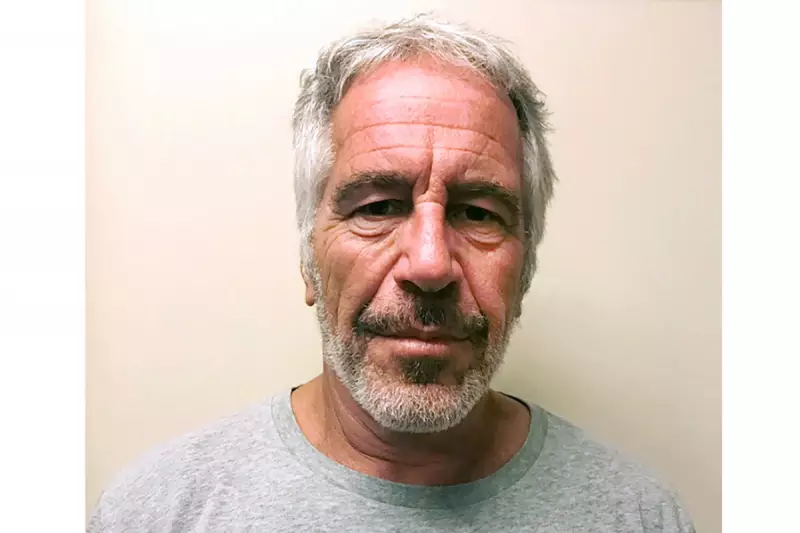
The release of thousands of documents related to convicted sex offender Jeffrey Epstein, mandated by the Epstein Files Transparency Act signed by President Donald Trump in November 2025, has ignited a fierce public conversation about power, abuse, and victimhood.
Amid the firestorm, commentary from figures like Megyn Kelly, which appeared to minimise the victimisation of teenagers, triggered a powerful social media response. The hashtag #iwasfifteen went viral, with celebrities and others posting photos of their teenage selves to highlight the vulnerability and youth of Epstein's victims.
The Grooming Playbook: Exploiting Trust and Creating Dependence
Clinical psychologist and intimate violence researcher Anne P. DePrince notes that, contrary to stereotypes of kidnappings, traffickers of minors typically employ a calculated playbook of psychological manipulation. They build relationships, using flattery, romance, or offers of help to gain trust.

This process, known as grooming, involves normalising sexual exploitation while isolating the young person from their support networks. Research, including a detailed 2014 analysis of social service case files, shows traffifiers then maintain control through economic manipulation, blackmail, shame, and threats of harm. Victims are often compelled to recruit friends, deepening the cycle of abuse.
These tactics create a state of profound dependence. "They create ever more dependence of the victim on the trafficker," DePrince explains. This is especially potent during adolescence, a period of rapid identity formation and brain development where young people naturally seek autonomy yet remain reliant on adults for fundamental needs.
Betrayal Trauma and Its Long Shadow
When the person an adolescent depends on for safety and sustenance becomes their abuser, it results in a specific psychological injury known as betrayal trauma. Unable to simply leave, the victim's mind may adapt through 'betrayal blindness' – minimising awareness of the abuse to survive.
While protective in the short term, this trauma is linked to severe long-term consequences. Compared to other traumas, betrayal trauma leads to more significant psychological and physical health problems, including intense shame, self-blame, and deep-seated distrust of others. Survivors may struggle to disclose the abuse or even recall it clearly, which can exacerbate feelings of doubt and isolation.
Combating Myths That Silence Victims
Public understanding is often clouded by persistent myths about sexual violence, which traffickers exploit. These include misconceptions that victims always respond uniformly or that abuse must involve extreme physical violence. Language itself can be a vehicle for minimisation – such as referring to trafficked girls as "underage women," which obscures the stark power imbalance and vulnerability of childhood.
Research confirms that the more people believe these myths, the more likely they are to blame victims or disbelieve their accounts. This bias can extend to law enforcement and juries, creating a chilling echo of the perpetrator's classic threat: "No one will believe you."
The #iwasfifteen movement serves as a crucial corrective, shifting focus from scrutinising victims to exposing the predatory methods of abusers. By grounding the conversation in research on trafficking tactics and betrayal trauma, responsibility is placed squarely where it belongs: on those who perpetrate and facilitate the abuse of the young and vulnerable.