The Great Gallery Debate: Phones Versus Contemplation
A passionate discussion has emerged in the Guardian's letters pages about the modern gallery experience and the fundamental value of engaging with art in person. The conversation was sparked by a recent editorial advocating for viewing original paintings rather than digital reproductions, which has prompted readers from across the country to share their perspectives on how we interact with art in today's digital age.
The Case for Live Performance and Participation
Ian Flintoff from Oxford strongly supports the editorial's position, extending the argument to include live performances. He believes that humans benefit enormously from seeing live performances, gaining even more value when they actively participate in them. Flintoff champions Britain's theatrical legacy, describing it as "the greatest theatre legacy and culture since ancient Athens." He passionately argues that both witnessing and participating in live arts could significantly boost the nation's creativity and true economy.
Art as Challenge Rather Than Comfort
Val Mainwood from Wivenhoe, Essex offers a contrasting viewpoint regarding art's purpose. She challenges the consensus that art primarily serves as a comforting retreat from life, suggesting instead that its more important function involves personal and societal challenge. Mainwood points to the thought-provoking exhibition "Can We Stop Killing Each Other?" at Norwich's Sainsbury Centre as exemplary of this approach. The exhibition explores violence through art and theatre across ages, concluding with direct questions to viewers about the nature and prevention of violence.
The Mobile Phone Dilemma in Quiet Spaces
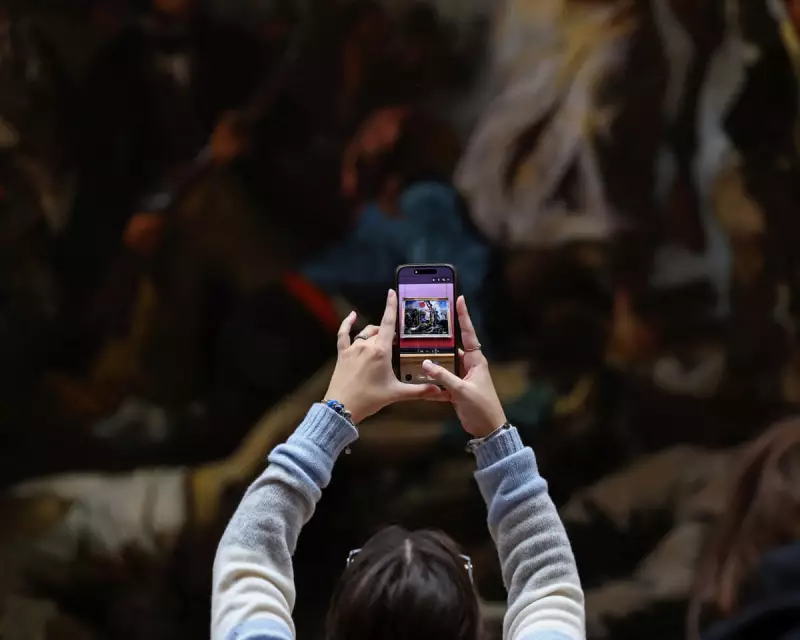
Ross Speirs from Watlington, Oxfordshire addresses the practical reality of contemporary gallery visits. While agreeing that galleries should be quiet, contemplative places where visitors stop scrolling and start truly looking, he highlights the disruptive presence of snap-happy visitors using their phones. Speirs observes the irony of visitors jostling to capture paintings on their devices, presumably to appreciate them on screens later, thereby undermining the very contemplative environment galleries aim to provide.
The collective correspondence presents a multifaceted view of arts engagement in modern Britain, touching on digital distractions, the unique power of live performance, and art's capacity to confront difficult truths alongside providing solace.