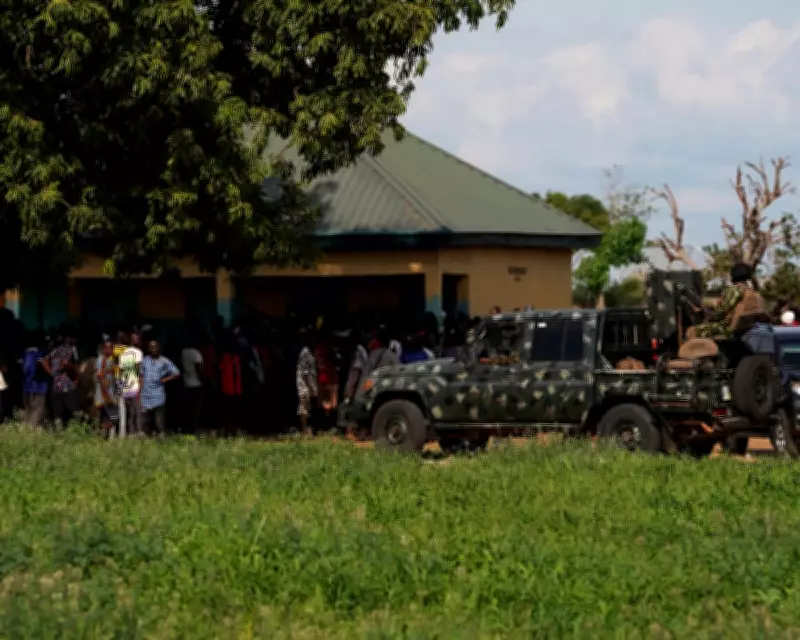
Nigeria continues to confront a devastating array of security emergencies, with a brutal assault in the west of the country emerging as one of the most lethal incidents in recent months. According to official reports, armed assailants have massacred at least 162 individuals in a village located within Kwara state.
Escalating Violence and Official Condemnation
The Nigerian Red Cross has provided a grim update on the casualty figures from the attack on Woro village. Babaomo Ayodeji, the Secretary of the Red Cross in Kwara state, confirmed that the death toll has risen sharply to 162, revising an earlier estimate of 67 fatalities. The search for additional victims remains ongoing as community members grapple with the aftermath.
Local authorities, including the police and state government, have verified the assault, which occurred on Tuesday evening. Sa'idu Baba Ahmed, a regional lawmaker from the Kaiama area, described a harrowing scene where between 35 to 40 bodies were initially counted, with many more residents fleeing into nearby bushland while suffering from gunshot wounds.

A Coordinated Onslaught
Ahmed detailed that the gunmen invaded Woro village at approximately 6:00 pm local time (1700 GMT). The attackers not only opened fire on villagers but also set numerous shops and the traditional king's palace ablaze. The whereabouts of the community's monarch remain unknown, adding to the profound sense of disruption and fear.
In a strongly worded statement, Kwara state governor AbdulRahman AbdulRazaq condemned the violence, characterising it as "a cowardly expression of frustration by terrorist cells". He linked the assault to ongoing counter-terrorism campaigns being conducted by security forces within parts of the state.
Broader Security Context and Military Response
This atrocity unfolds against a backdrop of interlinked security crises plaguing Africa's most populous nation. Nigeria contends with multiple threats: armed criminal gangs, often referred to locally as bandits, who engage in village looting and kidnappings for ransom; jihadist factions active in the north-east and north-west regions; and persistent intercommunal violence across central states.
The Nigerian military has recently intensified its operations against these non-state armed groups. Last month, security forces launched what they described as "sustained coordinated offensive operations against terrorist elements" specifically within Kwara state. Official statements claimed significant successes, including the neutralisation of 150 bandits and the destruction of remote camps and logistical support networks.
Local Measures and International Scrutiny
In response to the pervasive insecurity, local authorities in Kwara had previously implemented curfews in certain areas and temporarily closed schools. Educational institutions had only just been ordered to reopen on Monday, highlighting the fragile and volatile security environment.
Nigeria's security situation has also attracted intense international scrutiny in recent months. Claims of targeted violence have been disputed by the Nigerian government and independent analysts, who emphasise that the country's multifaceted security crises claim lives indiscriminately across religious and community lines.
The attack in Woro village stands as a stark reminder of the profound human cost of Nigeria's ongoing struggle for stability and safety for its citizens.