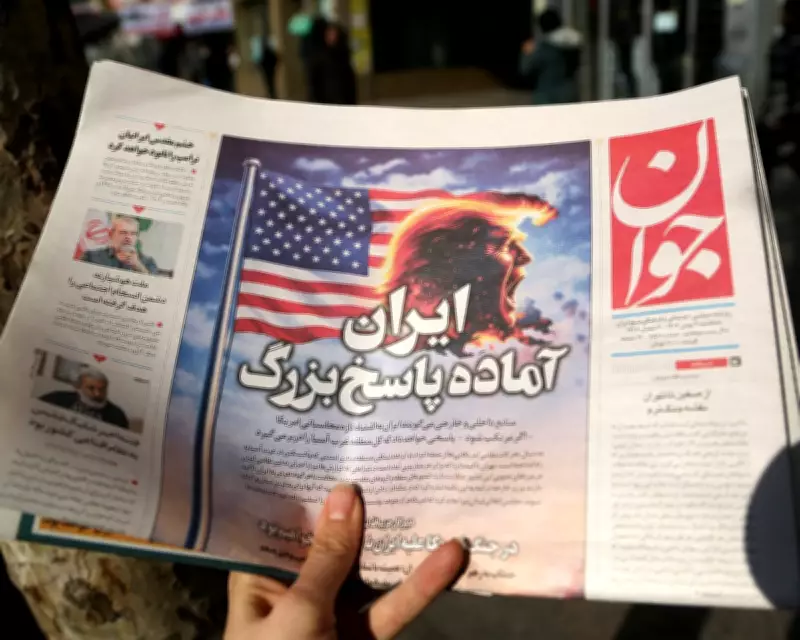
Statements from former US President Donald Trump concerning Iran have been prominently featured in Iranian newspapers, highlighting the ongoing tension between the two nations. This comes after a month of dramatic and often contradictory demands from the American leader, which have significantly escalated geopolitical friction.
A Month of Volatile Demands and Shifting Rationales
Donald Trump has issued a stark warning to Iran, demanding it negotiate a deal over its nuclear programme or face the potential of airstrikes and even regime change. This ultimatum concludes a thirty-one-day period characterised by bellicose rhetoric and sudden policy reversals from the Trump administration, threatening to open a new and dangerous chapter in the long and tumultuous US-Iran relationship.
Over the past decade, this relationship has witnessed moments of rapprochement, broken international agreements, targeted assassinations, and unprecedented military strikes. The recent flurry of activity underscores the fragile and volatile state of affairs.

A Daily Recap of Escalating Tensions
The following timeline details the key statements and events from the past month, illustrating the whiplash-inducing nature of US policy under Trump:
- 29 December: Alongside Israeli Prime Minister Benjamin Netanyahu, Trump suggested Iran was "building up weapons" again. He warned, "we’ll knock the hell out of them," promising consequences "more powerful than the last time" following US strikes earlier in the year.
- 2 January: As large-scale protests erupted in Iran, Trump declared the US was "locked and loaded, and ready to go" to rescue protesters if they were harmed, directly linking US military action to the domestic unrest.
- 6 January: Trump was photographed with a "Make Iran Great Again" hat, reiterating his threat to intervene if Tehran "violently kills peaceful protesters."
- 10 January: With protest deaths reportedly rising, Trump posted on Truth Social, "Iran is looking at FREEDOM, perhaps like never before. The USA stands ready to help!!!"
- 13 January: Trump announced new tariffs on nations trading with Iran—measures that appear never to have been implemented. He encouraged protesters, stating, "help is on its way," despite cancelling planned diplomatic meetings.
- 14 January: Contradicting widespread reports of a brutal crackdown and thousands of deaths, Trump claimed he was told "the killing in Iran is stopping." His administration reviewed military options but faced lobbying from Middle Eastern allies wary of triggering a major regional war.
- 22 January: After a brief distraction with other issues, Trump returned to Iran, noting, "We have a lot of ships going that direction, just in case," as the USS Abraham Lincoln carrier group was dispatched to the region.
- 28 January: With US naval forces positioned, Trump issued an extraordinary threat, warning Iran that time was running out to "make a deal" and insisting the country would have "NO NUCLEAR WEAPONS." Notably, this statement omitted any reference to the protesters, marking a clear shift in rationale solely to the nuclear programme.
The Aftermath and Regional Implications
The protest movement in Iran eventually slowed under the weight of the regime's severe crackdown, which involved mass arrests. Many Iranians were left feeling betrayed and confused by Trump's sudden pivot away from supporting their cause to focusing exclusively on nuclear demands.
This episode highlights the unpredictable nature of Trump's foreign policy approach, where demands can change rapidly from humanitarian intervention to military ultimatums based on nuclear proliferation. The deployment of a significant naval armada to the Middle East, justified first by protestor safety and then by nuclear concerns, has raised fears of a protracted and intractable conflict, with regional allies expressing deep concern over the potential for escalation.