The United States is set to officially withdraw from the World Health Organization this Thursday, a move that has ignited significant controversy over its potential impact on both American and international public health. This decision appears to contravene US law, which requires Washington to settle outstanding fees totalling $260 million to the UN health agency before departure.
Legal and Financial Violations
President Donald Trump had previously given notice of the US departure, scheduled to take effect in 2025. According to US legislation, this process mandates a full year's notice and the complete payment of all dues before exiting the organisation. However, the WHO has confirmed that the United States has not yet paid the fees it owes for both 2024 and 2025, creating a clear legal breach.
Lawrence Gostin, founding director of the O'Neill Institute for Global Health Law at Georgetown University in Washington, stated unequivocally: "This is a clear violation of U.S. law. But Trump is highly likely to get away with it." The US State Department has remained silent on questions regarding whether the nation can leave without settling these financial obligations or what implications this departure might have for future global collaboration.

Global Health Leaders Express Concern
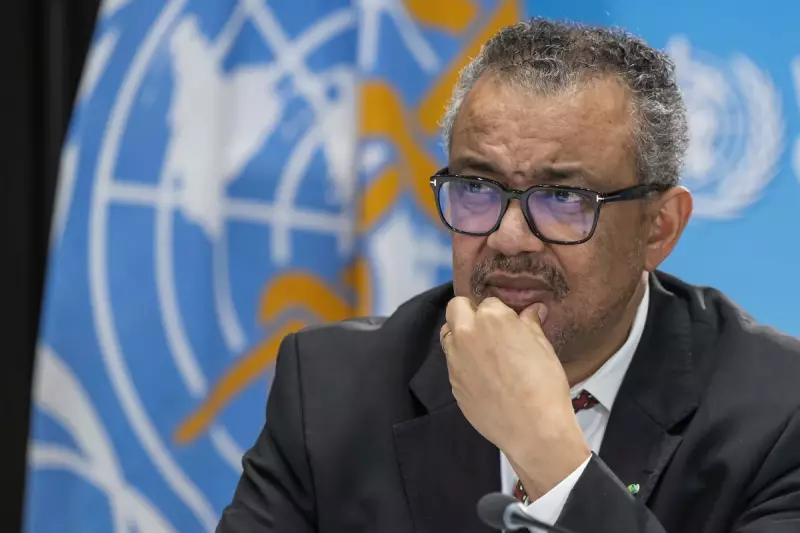
Throughout the past year, numerous global health authorities have urged the United States to reconsider its position. WHO Director General Tedros Adhanom Ghebreyesus made a public plea earlier this month, telling reporters: "I hope the U.S. will reconsider and rejoin WHO. Withdrawing from the WHO is a lose for the United States, and it's a lose for the rest of the world."
Speaking to Reuters at the Davos forum, Bill Gates – chair of the Gates Foundation, which significantly funds global health initiatives and supports WHO programmes – expressed pessimism about any immediate reversal. "I don't think the U.S. will be coming back to WHO in the near future," he remarked, while affirming his commitment to advocate for renewed participation when opportunities arise. "The world needs the World Health Organization," Gates emphasised.
Immediate Consequences for WHO Operations
The US departure has precipitated a severe budgetary crisis within the World Health Organization. Traditionally, Washington has been the UN health agency's largest financial contributor, providing approximately 18% of its overall funding. In response to this funding shortfall, the WHO has implemented drastic measures:
- Reducing its management team by half
- Scaling back operational work across the agency
- Implementing budget cuts throughout the organisation
- Planning to shed around a quarter of its staff by mid-year
A WHO spokesperson confirmed to Reuters that member states will discuss the US departure and its management during the WHO's executive board meeting in February. The agency noted it has maintained communication and information sharing with US authorities over the past year, though future collaboration mechanisms remain uncertain.
Broader Implications for Global Health Security
Health experts worldwide have warned that this withdrawal poses substantial risks to multiple stakeholders. Kelly Henning, public health program lead at Bloomberg Philanthropies, highlighted the systemic dangers: "The U.S. withdrawal from WHO could weaken the systems and collaborations the world relies on to detect, prevent, and respond to health threats."
The consequences extend beyond immediate budgetary concerns to potentially compromise:
- International disease surveillance networks
- Coordinated pandemic response capabilities
- Global health emergency preparedness
- Standard-setting for international health regulations
- Research collaboration on emerging health threats
As the United States formally severs its relationship with the World Health Organization today, the international community faces significant questions about how global health governance will adapt to this unprecedented withdrawal of its most influential member state.