The United States is set to officially withdraw from the World Health Organization (WHO) this Thursday, a decision that has drawn widespread criticism for its potential to undermine international health efforts. This move, initiated by former President Donald Trump with an effective date in 2025, appears to contravene US law, which stipulates that all outstanding fees must be paid before departure.
Legal and Financial Implications of the Withdrawal
According to US regulations, the withdrawal process requires a year's notice and the settlement of all dues to the UN health agency. However, the WHO has confirmed that the US has not yet paid its fees for 2024 and 2025, amounting to approximately $260 million. This failure to comply with legal mandates has raised questions about the legitimacy of the withdrawal and its adherence to international agreements.
Global Health Experts Urge Reconsideration
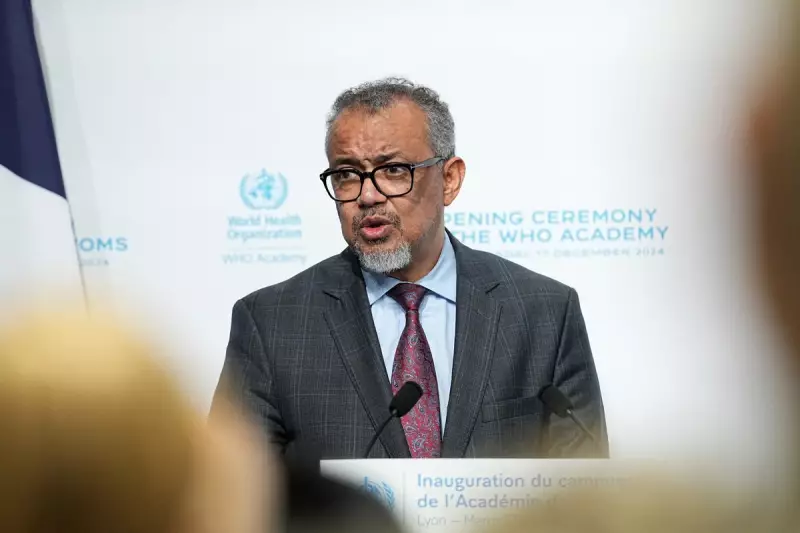
WHO Director-General Tedros Adhanom Ghebreyesus and other global health experts have repeatedly called on the US to reconsider its decision. They argue that the withdrawal could severely impact the WHO's ability to coordinate responses to pandemics and other health emergencies, putting global health security at risk. Despite these appeals, the US has proceeded with its plans, leaving many in the international community concerned about the future of collaborative health initiatives.

Budgetary Crisis and Operational Cuts at WHO
The US withdrawal has triggered a significant budgetary crisis for the WHO, forcing the organization to implement drastic measures to cope with the financial shortfall. In response, the WHO has halved its management team, cut budgets across various programmes, and shed a quarter of its staff. These cuts are expected to hamper the agency's capacity to monitor diseases, support vaccination campaigns, and provide technical assistance to member countries, particularly in developing regions.
Risks to Global Health Security
Experts warn that the reduction in WHO's resources could lead to increased vulnerabilities in global health security. Without full US participation and funding, the organization may struggle to address emerging health threats, such as future pandemics or outbreaks of infectious diseases. This situation highlights the interconnected nature of global health and the potential consequences of unilateral actions by major nations.
The official withdrawal marks a pivotal moment in international health governance, with implications that could resonate for years to come. As the WHO navigates this challenging period, the global community will be watching closely to see how it adapts and whether other nations step in to fill the void left by the US departure.