The government has unveiled a new strategy to tackle violence against women and girls, which could see boys as young as 11 sent on anti-misogyny training courses if they exhibit concerning behaviour. The plans form part of a wider drive to intervene early in the worrying attitudes of young people.
Early Intervention in Schools
Under the proposals, all secondary schools in England will be required to teach students about healthy relationships. This initiative is backed by a £20 million funding package, with £16 million coming directly from the government. Teachers will receive specialist training to discuss critical issues like consent with their pupils.
Children who display harmful behaviour towards parents, siblings, or in relationships will be enrolled in behaviour change programmes. A pilot scheme, reported by The Times, could see secondary school children attending specific training courses, with the potential for it to be extended to primary schools in the future.

Prime Minister Sir Keir Starmer emphasised the urgency, stating: "Every parent should be able to trust that their daughter is safe at school, online and in her relationships. But too often toxic ideas are taking hold early and going unchallenged."
Targeted Support and New Helpline
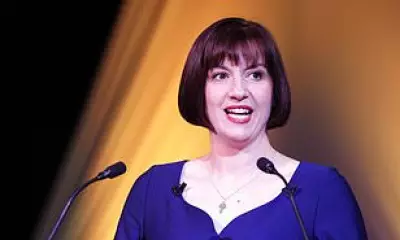
Safeguarding Minister Jess Phillips outlined the scheme's focus on targeted interventions for young men. She explained that teachers will be empowered to act on behaviours like the sharing of intimate images to prevent escalation. "We can stop that behaviour progressing into something that may end up even more sinister in the future," she said.
The minister expressed a firm stance on prevention, stating: "I’m a bit sick... of just trying to put nicer plasters onto ever growing scars, and so ... the Government is really, really focused on the prevention."
A significant component of the strategy is a new helpline for teenagers to seek help over concerns about their own behaviour in relationships. Furthermore, police and social services will receive new guidance specifically on tackling abuse in teenage relationships.
Broader Strategy and Critical Response
The education measures are part of a cross-government strategy aiming to halve violence against women and girls within a decade. Other announced measures include:
- Introducing specialist rape and sexual offences investigators to every police force.
- Providing better support for survivors within the NHS.
- A £19 million funding boost for councils to offer safe housing for domestic abuse survivors.
However, the plan has faced criticism for not going far enough. Dame Nicole Jacobs, the Domestic Abuse Commissioner for England and Wales, said the commitments "do not go far enough" to reduce abuse rates and that the investment "falls seriously short." She also warned that overburdened schools lack the infrastructure needed to safeguard child victims of domestic abuse.
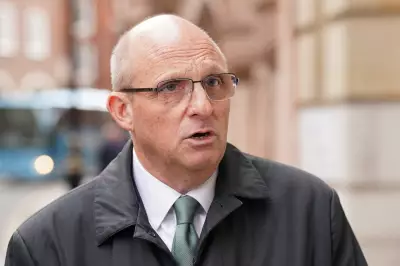
Paul Whiteman, general secretary of the National Association of Head Teachers (NAHT), welcomed the specialist teacher training but stressed that schools are only part of the solution, requiring contributions from government, health, social care, police, and parents.
The government will also review the legal framework for domestic abuse to better address teenagers' experiences. This follows the murder of 15-year-old Holly Newton by her stalker ex-boyfriend in Hexham, Northumberland, in January 2023, prompting Sir Keir to vow to look at recognising younger people as domestic abuse victims.
Schools for the teacher training pilot will be selected next year, with the aim for all secondary schools to deliver healthy relationship sessions by the end of this Parliament.