The Origins of St Patrick's Day Drinking: A Saint's Final Request
Every March 17, millions worldwide raise a glass in celebration of St Patrick's Day, but few may realise that this tradition could trace back to the saint's own dying words. According to lore, as St Patrick lay on his deathbed in A.D. 461, he asked those gathered to toast his heavenly journey with a "wee drop of whiskey" to ease their pain. This anecdote, relayed by a tour guide at Croagh Patrick in County Mayo, suggests that the patron saint may have unintentionally influenced the holiday's modern, alcohol-centric festivities.
From Religious Commemoration to Global Party
The Festival of St Patrick began in the 17th century as a solemn religious and cultural commemoration of the bishop who brought Christianity to Ireland. In Ireland today, the day retains significant religious and cultural components, including mass, feasting, and prayer. However, globally, it has largely transformed into an excuse for wearing green and heavy drinking, a shift driven by historical migration and commercialisation.
The Legend and Legacy of St Patrick
Historical details about St Patrick's life remain speculative, but his spiritual memoir, "Confessio," describes his enslavement in Ireland, escape, and return after dreams calling him to minister to the Irish. Revered for his missionary zeal, he fused Irish culture with Christianity, introducing elements like the Celtic Cross. Despite the myths, Irish children grow up with stories of his miracles, such as driving snakes from Ireland and using shamrocks to explain the Trinity.

Irish Diaspora and Americanisation
From 1820 to 1860, nearly 2 million people left Ireland, many due to the potato famine, with more following in the 20th century. Settling abroad, especially in America, they reinvented St Patrick's Day celebrations. Irish-Americans commercialised the holiday, turning it into a spectacle with parades in cities like New York and Boston, green beer, and mandatory wearing of green, diverging from the original tradition of wearing shamrocks for solidarity.
Economic Impact and Modern Celebrations
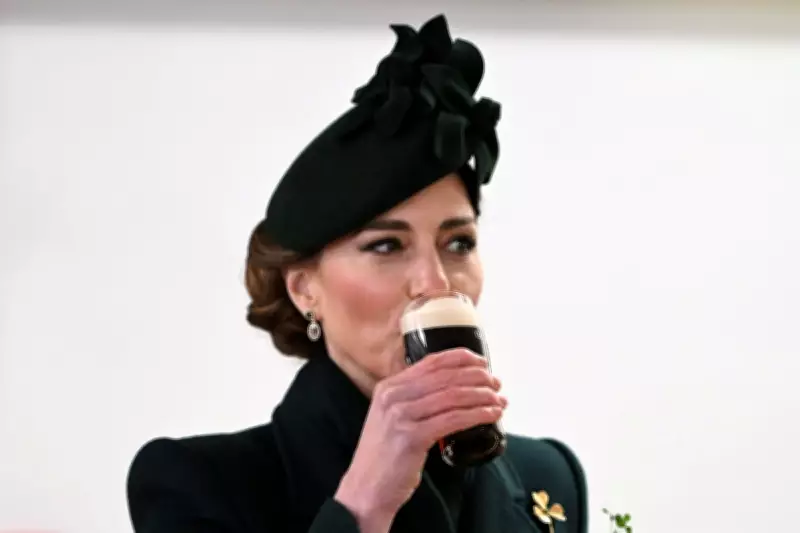
In America, St Patrick's Day has become a major economic event, with consumers spending up to $6.16 billion in some years and consuming 13 million pints of Guinness. The holiday's popularity has even spawned "Halfway to St Patrick's Day" celebrations on September 17. Ireland has capitalised on this trend, with pubs benefiting from tourist euros, though the day remains a holy occasion for natives.
Reflecting on the Saint's Influence
What if St Patrick had requested a silent prayer instead of a whiskey toast? This question highlights the tension between the holiday's sacred origins and its profane modern expressions. As global celebrations continue to evolve, the blend of myth, migration, and marketing ensures St Patrick's Day remains a complex tapestry of tradition and transformation.