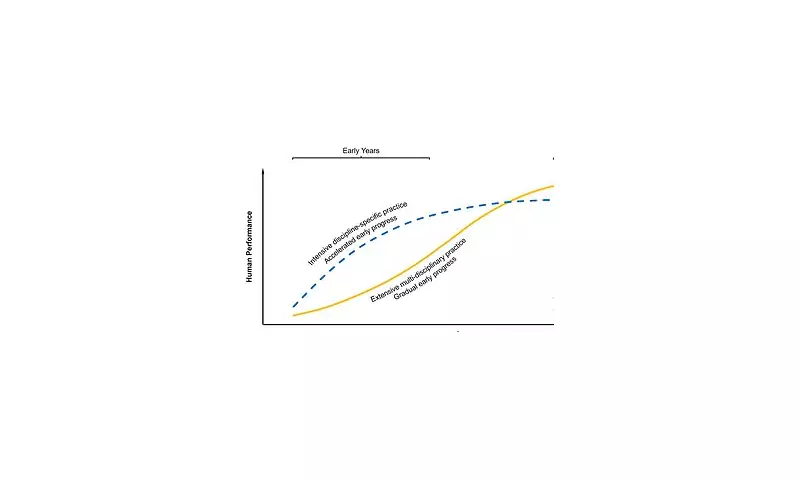
Parents and educators should take heart: being an average child is no barrier to achieving extraordinary success in adulthood, according to a major new study. The research, which analysed data on more than 34,000 world-class performers, found that the majority of elite adults were not standout child geniuses.
The Three Key Patterns of Elite Performance
Conducted by researchers including Professor Arne Güllich from the University of Kaiserslautern-Landau and published in the journal Science, the study identified three consistent patterns across fields like science, sport, chess, and classical music. Firstly, the individuals who are the best in their youth and those who peak as adults are usually different people. Secondly, future top performers typically show gradual, not meteoric, development in their early years. Finally, these individuals did not specialise too early, instead keeping their options open across multiple disciplines.
This evidence directly challenges the traditional image of the child prodigy, exemplified by figures like Mozart. "A common pattern emerges across the different disciplines," explained Professor Güllich. "Those who reached elite level showed gradual performance development in their early years and were not yet among the best of their age group."

Famous 'Late Bloomers' Who Defied Early Expectations
The findings offer a compelling explanation for the childhood struggles of some of history's most celebrated figures. Albert Einstein experienced speech delays and was considered less intelligent than his peers before showing exceptional aptitude in his teens. Steve Jobs dropped out of college, admitting he had "no idea" what to do with his life. J.K. Rowling was rejected from Oxford University and graduated with a 2:2. Walt Disney was fired from a newspaper for "lacking imagination," and Michael Jordan was famously cut from his high school basketball team.
"Those who find an optimal discipline for themselves, develop enhanced potential for long-term learning and have reduced risks of career-hampering factors, have improved chances of developing world-class performance," Professor Güllich stated. He warned that early specialisation can lead to burnout, injury, or being stuck in an unsuitable field.
Recommendations for Nurturing Future Talent
Based on the evidence, the researchers have clear advice for fostering future elite performers. "Don't specialise in just one discipline too early," urged Professor Güllich. Society should encourage young people to pursue diverse interests and promote development in two or three disciplines, even if they are unrelated—like language and mathematics, or geography and philosophy.
This broader, multidisciplinary approach, as seen in Einstein's passion for music alongside science, "may enhance opportunities for the development of world-class performers – in science, sports, music and other fields." The study concludes that exploring a range of interests in childhood is crucial for finding one's optimal niche and achieving sustained, peak performance in adulthood.