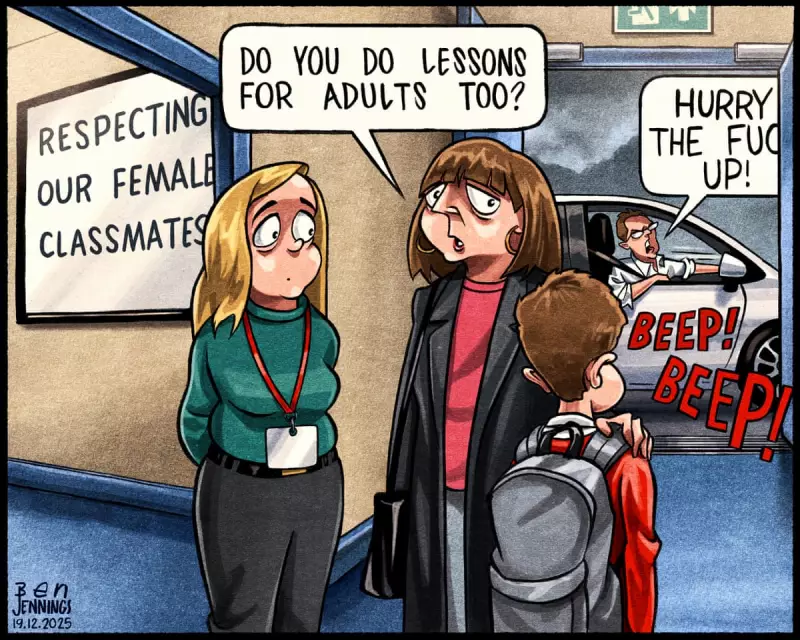
The UK government has launched a significant new initiative designed to confront and reduce misogynistic attitudes and behaviour within English schools. This strategy, announced on Thursday, 18 December 2025, forms a core part of a broader governmental effort to address harmful societal norms affecting young people.
Core Components of the Anti-Misogyny Plan
The plan outlines a multi-faceted approach to creating a safer and more respectful school environment. A central pillar involves the introduction of updated guidance for schools on managing student behaviour. This guidance is expected to provide clearer frameworks for teachers and staff to identify and challenge sexist language, harassment, and other forms of misogynistic conduct among pupils.
Furthermore, the strategy emphasises the importance of high-quality training for educators. This training will equip teachers with the tools and confidence to address sensitive issues, facilitate difficult conversations in the classroom, and implement the new behavioural policies effectively. The government recognises that without proper support for staff, policy changes alone are unlikely to succeed.

Context and Driving Forces
This policy announcement did not occur in a vacuum. It comes amid growing public and political concern about the prevalence of sexism and violence against women and girls. The government's move is a direct response to mounting pressure to take concrete action, particularly within educational settings where attitudes are often formed.
The launch was accompanied by a powerful editorial cartoon by renowned satirical artist Ben Jennings, published in The Guardian. Jennings' visual commentary underscores the critical nature of the issue and adds a layer of public discourse to the policy announcement, highlighting the societal expectation for meaningful change.
Potential Impact and the Road Ahead
The success of this strategy will hinge on its implementation. Key questions remain about the level of funding attached to the training programmes, the mechanisms for monitoring progress, and the support offered to schools facing significant challenges. Advocates for women's rights and educational experts will be watching closely to see if the government's promises translate into tangible improvements in school culture.
If effectively rolled out, the plan has the potential to foster a generation of young people with a deeper understanding of respect and equality. It aims to disrupt the cycle of misogyny by intervening at a formative stage, teaching students about healthy relationships and mutual respect. The long-term goal is to create not just better schools, but a safer and more equitable society.
However, critics may argue that such strategies require sustained commitment and resources to overcome deeply ingrained societal issues. The true test will be in the consistent application of the guidance and the measurable reduction in misogynistic incidents reported within schools across England in the coming years.