The government has unveiled a major new initiative to combat violence against women and girls, with a core focus on intervening early in schools to challenge toxic attitudes. Announced on Thursday 18 December 2025, the strategy includes making lessons on healthy relationships compulsory for all secondary schools in England.
Early Intervention in the Classroom
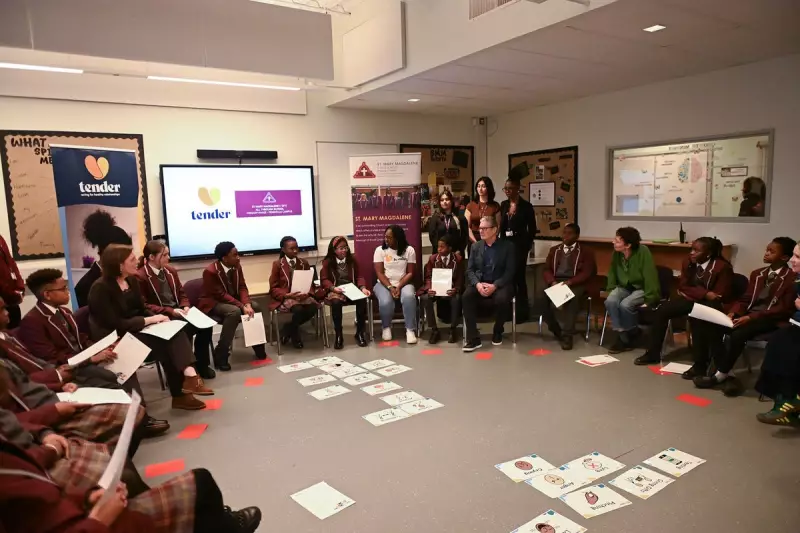
As part of a wider plan to halve incidents of violence against women and girls (VAWG) over the next ten years, ministers are targeting the root causes of misogyny among young people. Prime Minister Sir Keir Starmer, who visited St Mary Magdalene school in London to discuss the issue, stated that harmful ideas are too often "going unchallenged" in early life.
The programme is backed by a £20 million funding package, with £16 million coming directly from the government. A key element involves providing specialist training for teachers, equipping them to lead sessions on consent and identify worrying behaviours. Pupils as young as 11, predominantly boys, who exhibit signs of harm towards family members or in relationships could be referred to dedicated behaviour change courses.

Support and Safeguarding Measures
Beyond the classroom, a new helpline will be established for teenagers concerned about their own behaviour in relationships. Furthermore, police and social services will receive updated guidance on dealing with teenage relationship abuse. The legal framework for domestic abuse will also be reviewed to better address the experiences of adolescents.
This review follows the tragic murder of 15-year-old Holly Newton by her stalker ex-boyfriend in Hexham, Northumberland, in January 2023. Sir Keir has vowed to examine whether younger people should be formally recognised as domestic abuse victims.
Mixed Reactions and Broader Strategy
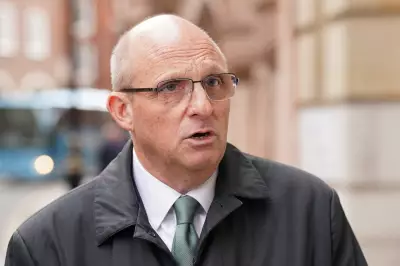
While the education measures were welcomed by teaching unions, the domestic abuse commissioner for England and Wales, Dame Nicole Jacobs, warned that the overall commitments "do not go far enough" to reduce abuse rates. She expressed concern that overburdened schools lack the infrastructure to safeguard child victims of domestic abuse effectively.
The school initiative forms one part of a broader cross-government strategy. Other announced measures include:
- Introducing specialist rape and sexual offences investigators to every police force.
- Providing better NHS support for survivors.
- Allocating a £19 million funding boost for councils to offer safe housing to domestic abuse survivors.
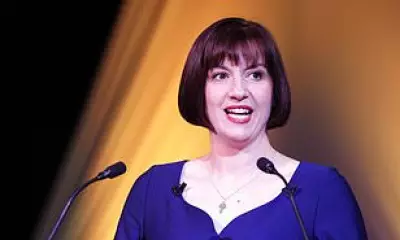
Education Secretary Bridget Phillipson, drawing on her past work in a women's refuge, emphasised the critical need for early intervention. "We cannot simply respond to harm after it happens; we must give young people the understanding and tools they need before attitudes harden into harm," she said.
Schools for the teacher training pilot will be selected next year, with the aim for all secondary schools to deliver the healthy relationship sessions by the end of the current Parliament.