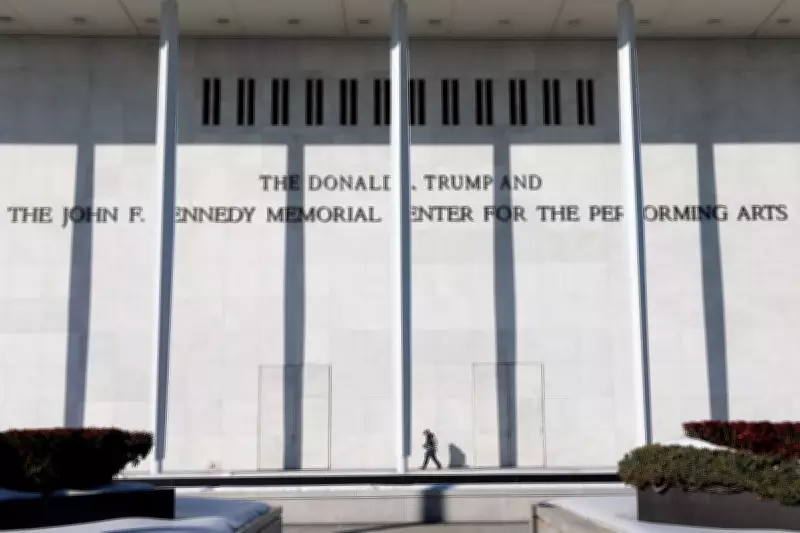
The Kennedy Center in Washington, D.C., is preparing for a significant two-year renovation shutdown that will lead to substantial staff reductions and what leadership describes as "skeletal teams" remaining operational during the closure period.
Imminent Staff Reductions Announced
In a Tuesday memo obtained by The Associated Press, Kennedy Center President Richard Grenell informed employees that "departments will obviously function on a much smaller scale with some units totally reduced or on hold until we begin preparations to reopen in 2028." Grenell promised "permanent or temporary adjustments for most everyone" as the center prepares to close its doors in early July 2026.
A Kennedy Center spokesperson declined to comment on Wednesday regarding the impending staff reductions. The memo indicates that over the coming months, department heads will be "evaluating the needs and making the decisions as to what these skeletal teams left in place during the facility and closure and construction phase will look like."

Uncertainty Surrounds Renovation Details
Few concrete details about the planned renovations have emerged since President Donald Trump announced the project at the beginning of February 2026. Neither Trump nor Grenell have provided substantial evidence supporting claims about the building being in disrepair, despite Trump having pledged just last October that the center would remain open during any renovation work.
The exact number of current employees affected remains unclear, though a 2025 tax filing indicated that nearly 2,500 people were employed during the 2023 calendar year. A request for comment sent to Kennedy Center Arts Workers United, which represents artists and arts professionals affiliated with the institution, was not immediately returned.
Financial and Programming Challenges
The Washington Post, which first reported on Grenell's memo, has cited significant drops in ticket revenue that traditionally comprise a substantial portion of the center's operating budget along with private philanthropy. This financial pressure comes amid broader challenges for the institution.
Leading performers and artistic groups have either left or canceled appearances since Trump ousted the center's previous leadership a year ago and added his own name to the building in December 2025. Officials have yet to clarify whether long-standing traditions like the Mark Twain Award for comedy or the honors ceremony for lifetime contributions to the arts will continue during the closure period.
Historical Context and Future Vision
The Kennedy Center was first conceived as a national cultural facility during the Eisenhower administration in the 1950s. President John F. Kennedy led a fundraising initiative for what would become the performing arts center, which was named in his honor following his assassination. The institution opened in 1971 and has evolved into a preeminent showcase for theater, music, and dramatic performances, enjoying bipartisan support until Trump's return to office last year.
"This renovation represents a generational investment in our future," Grenell wrote in his memo to staff. "When we reopen, we will do so as a stronger organization — one that honors our legacy while expanding our impact."
Grenell assured employees that leadership would "provide as much clarity and advance notice as possible" regarding the staffing changes, though many questions remain about the specific timeline and scope of reductions as the July closure date approaches.