Nine UK Regions Compete for Coveted City of Culture 2029 Crown
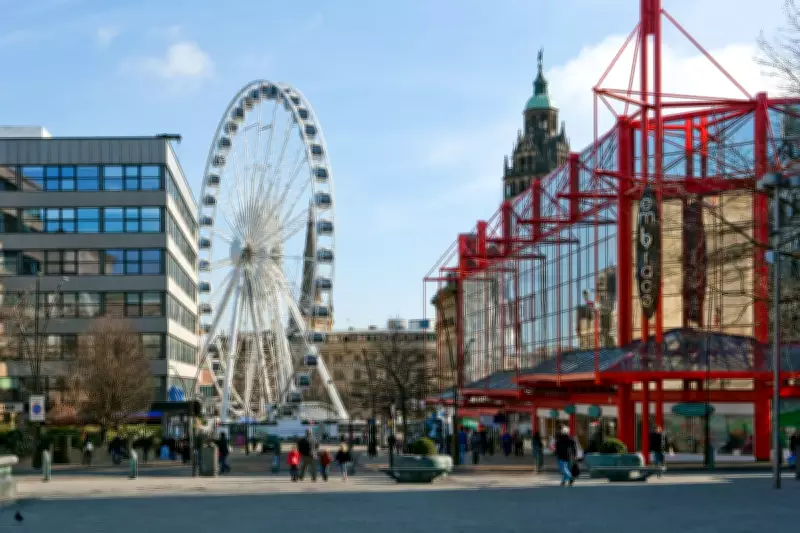
Milton Keynes, Sheffield, and Blackpool have emerged as frontrunners in the race to become the UK City of Culture for 2029, joining a prestigious longlist of contenders. They are accompanied by Inverness-Highland, Ipswich, Middlesbrough, Portsmouth, Swindon, and Wrexham, all vying to succeed Bradford, which currently holds the title for 2025.
Unsuccessful Bids and Financial Support
However, not all applicants made the cut. Bids from Bristol, Carlisle, Exeter, Herefordshire, Isle of Thanet, Peterborough, Plymouth, and Reading were unsuccessful in progressing to this stage. The Department for Culture, Media and Sport has confirmed that each of the nine shortlisted contenders will receive £60,000 to develop their full, detailed bids.
In a significant development, the winner of the competition will secure a substantial £10 million prize to fund a full year of cultural activities and events. Additionally, three other finalists will each gain £125,000 to support specific elements of their bids, marking an enhanced investment in regional cultural development.

Government and Panel Perspectives
Culture Secretary Lisa Nandy emphasised the importance of the competition, stating it – along with the inaugural Town of Culture award in 2028 – "recognises the enormous contributions made by communities all over the UK who are all part of the story of who we are as a nation."
The longlist was determined by an independent panel chaired by Sir Phil Redmond, the renowned creator of television series such as Brookside, Grange Hill, and Hollyoaks. Sir Phil highlighted the transformative power of the competition, describing culture as a "creative catalyst for change, raising awareness and changing perceptions."
He reflected on past winners, saying, "Derry-Londonderry, Hull, Coventry and, more recently, Bradford, have all demonstrated the quality and depth of cultural activity embedded across the UK, as well as the benefits of simply taking part." Sir Phil added that the initiative fosters dialogue and community pride, allowing places to showcase their unique identities.
Expanding Cultural Recognition
Beyond the City of Culture competition, Ms Nandy revealed that over 230 towns have registered interest in bidding to become the UK's first Town of Culture. She encouraged more towns to submit their applications before the deadline at the end of March, noting, "It's a chance to show the country what makes them unique and shine a spotlight on their cultural offer, enriching the lives of local people."
In a related announcement, Ms Nandy confirmed that £132 million will be allocated to support youth centres, grassroots sports, arts, and music programmes in communities most in need. This funding aims to bolster cultural infrastructure and engagement across the nation, complementing the City of Culture initiative.
The competition continues to highlight the vibrant cultural tapestry of the UK, with these nine contenders now poised to develop their visions for 2029, promising a year of celebration and community enrichment for the eventual winner.