Public Vote Opens to Shape Legacy of Felled Sycamore Gap Tree
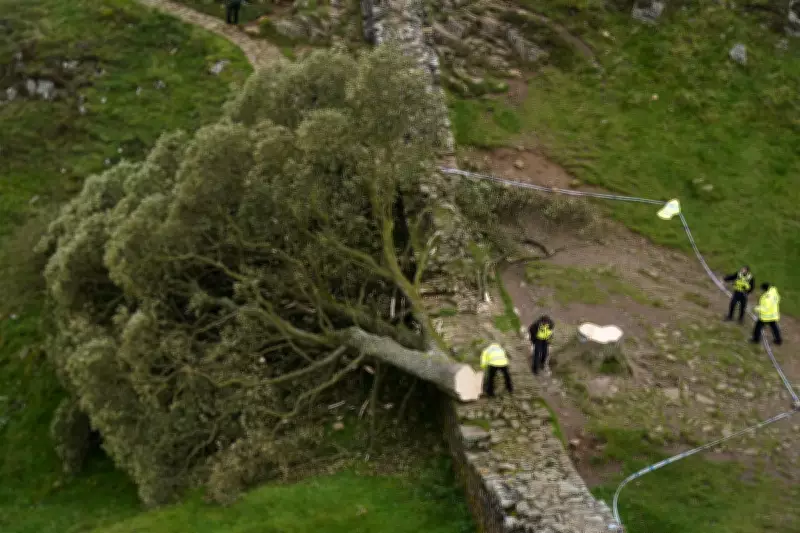
The National Trust has launched a public ballot, inviting the nation to decide which of six shortlisted artists will transform timber from the illegally felled Sycamore Gap tree into a stunning and lasting artwork. This significant initiative follows a call for proposals issued in September, seeking a "nationally important" commission to shape the tree's next chapter using half of its salvaged wood.
Voting Process and Artistic Visions
The public vote, which opened on Saturday and runs until 28 March, presents six distinct artistic proposals. Each vision aims to preserve the tree's profound story, symbolism, and memory for future generations in unique ways. The public's input will contribute to 30 per cent of the final decision, with the remaining 70 per cent determined by scores from a judging panel comprising nature and art experts.
Annie Reilly, National Trust public engagement director and chairwoman of the judging panel, emphasised the emotional significance of the tree. "Over the past two years, we've heard extraordinary stories about what the Sycamore Gap tree meant to people – from moments of celebration and milestones to quiet memories of loss, connection and reflection," she said. "It became more than a tree; it became part of the emotional landscape of the nation."

Ms Reilly added that the vote offers the public an opportunity to "help share the ongoing story," encouraging people to choose the idea that best captures what the Sycamore Gap tree meant to them personally.
Shortlisted Artists and Proposals
The six shortlisted artists or collaborations, selected from a competitive field, include:
- Alex Hartley and Tom James, based in Devon and London
- Helix Arts x George King Architects, based in the North East
- Mary Dalton, based in Hampshire
- non zero one, based in London
- Sam Williams Studio, based in Sussex
- Trigger, based in Bristol
Their proposals range from transforming the wood into new artworks and sculptural installations to nationwide participatory projects. These include gathering personal stories, distributing symbolic carved seeds, building platforms for conversations about climate change, and bringing communities together in song and remembrance.
Background and Wider Engagement
This artistic endeavour comes more than two years after the illegal felling of the world-famous Sycamore Gap tree during Storm Agnes in 2023. Daniel Graham and Adam Carruthers, from Cumbria, travelled to Hadrian's Wall in Northumberland to cut down the tree, which is thought to have been planted in the late 1880s. The act of vandalism sparked national outrage and widespread grief for the beloved landmark.
The wood, now ready for artists to work with after being stored to season for 28 months, represents a tangible link to this historic site. The winner of the commission will be announced later in the spring, with the final artwork expected to be completed by 2028.
This initiative is part of a broader public engagement programme responding to the tree's felling, supported by the Northumberland National Park Authority, Historic England, the Hadrian's Wall Partnership, and the National Trust. Additional efforts include installing the main section of the tree's trunk at the gateway to Northumberland National Park, displaying heartwood prints by printmaker Shona Branigan at Seaton Delaval Hall, and planting 49 saplings grown from rescued seeds across UK communities.
People can cast up to three votes using a valid email address via the National Trust's dedicated website, ensuring a democratic and inclusive process in determining the tree's artistic legacy.