Sunderland's National Glass Centre Faces Demolition Amid £45m Repair Row
Sunderland's National Glass Centre Faces Demolition Over £45m Repair Row

Sunderland's National Glass Centre Faces Demolition Amid £45m Repair Row

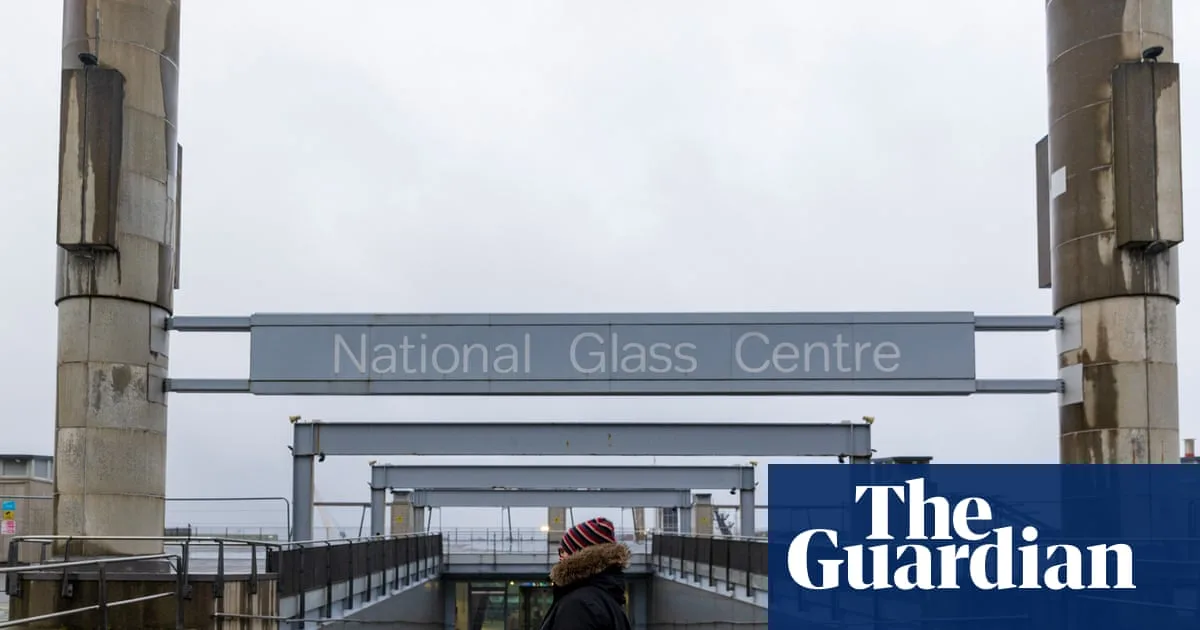
The National Glass Centre, a cultural landmark in Sunderland that opened in 1996, is now at the centre of a heated dispute as its custodian, the University of Sunderland, announces plans for demolition. The university claims that renovation costs could reach up to £45 million, making closure the only viable option, with the centre expected to shut its doors to the public in July.

A Heritage Under Threat

This iconic building, constructed from concrete and glass, has stood proudly beside the River Wear for decades, drawing visitors nationwide. It honours Sunderland's deep glassmaking heritage, which dates back to the seventh century when English glassmaking began at a monastery run by Saint Benedict Biscop. The closure of the Pyrex factory in 2007, which had operated for over a century, further underscores the city's historical ties to the industry.

However, the university argues that the structure faces significant repair needs, with estimates ranging from £14 million to £45 million. A spokesperson emphasised that no feasible plan has been proposed to cover these capital works or the £800,000 annual subsidy required for running costs. With nearly 90% of its income derived from student tuition fees, the university insists it must prioritise core educational purposes over maintaining an unsustainable building.

Local Outcry and Political Tensions

Campaigners from the Save the National Glass Centre group vehemently oppose the demolition, viewing it as a symbol of surrender to urban decline. They accuse the university of deliberately neglecting maintenance and inflating repair bills to justify selling the land for development. This sentiment has turned the issue into a political flashpoint, with support from both the Liberal Democrats and far-right groups, highlighting the divisive nature of the debate.

On a recent rainy weekday, the centre remained bustling, with a packed cafe, busy shop, and engaged visitors watching glass-blowing demonstrations. Glass artist Carolyn Basing, who studied at the university, noted a marked decline since 2018, suggesting a deliberate policy to run the place down. Similarly, Brian Jones, a 70-year-old glassblower who moved into the centre in 1998, praised its transformative impact on his career, creating works displayed in galleries nationwide.

Disputed Figures and Alternative Proposals

Experts have challenged the university's cost estimates. Roger Clubley, a chartered town planner involved in the centre's establishment, dismissed the £45 million figure as "total bullshit", arguing that the building, funded by public money, should generate a surplus. Nigel Taylor, a member of the Institution of Civil Engineers, reviewed renovation reports and proposed a reduced cost of about £8.3 million, suggesting work could be phased over time rather than done immediately.

Campaigners have prepared alternative renovation options, disputing the university's claims and emphasising the centre's cultural value. Tens of thousands have signed petitions against closure, with former teacher Anne Loadman highlighting its educational importance for children in mining communities, who gain hands-on experiences with glassmaking history.

Political Repercussions and Future Uncertainties

The Labour Party recently opposed the demolition, calling for a review of the decision-making process, likely influenced by upcoming local elections where Reform is expected to challenge Labour's control. Councillor Denny Wilson, who backed the campaign, described the demolition as "the scam of the century", alleging deception of Sunderland residents.

Despite plans to relocate operations across the river, proposed sites have been criticised as impractical. Campaigner Tom Mulholland stressed the centre's unique selling point in celebrating Sunderland's heritage as the birthplace of UK glassmaking. As tensions escalate, the future of this cherished institution hangs in the balance, with many locals unconvinced by the university's rationale and determined to fight for its preservation.