The Plough and the Stars Review: Abbey's Haunting Centenary Staging
Marking the centenary of the premiere of Seán O'Casey's potent political drama, the Abbey Theatre's latest production opens a door to looser, more experimental ways of staging this classic work. Frequently produced in recent years, the tragi-comic play that caused a riot in 1926 is now firmly embedded in the Irish theatre canon, and this rendition breathes new life into its timeless themes.
A Modern Take on a Historical Setting
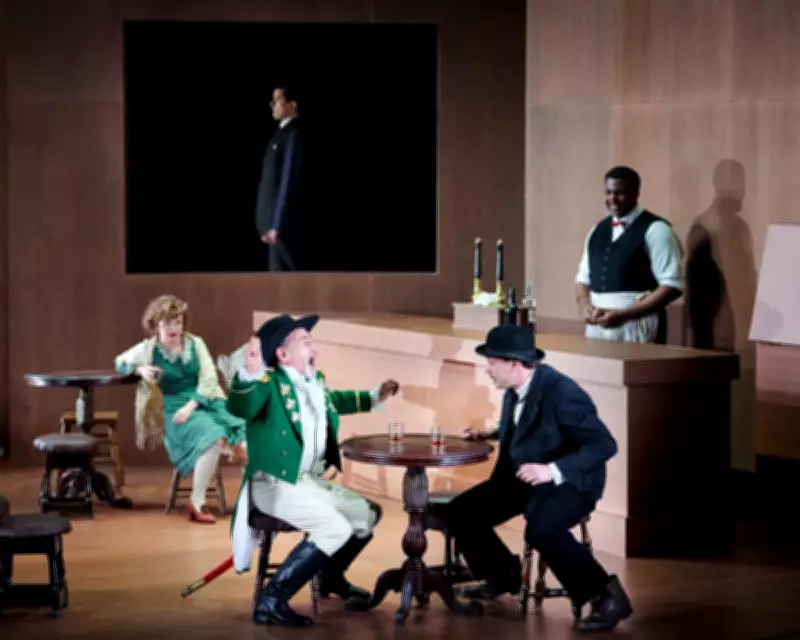
Set among Dublin tenement dwellers in the run-up to the Easter Rising of 1916, O'Casey's characters are caught up in events beyond their control. Director Tom Creed brings this 1926 political classic into the present with a farcical emphasis in the opening act, set against a flimsy plywood wall in Jamie Vartan's startlingly plain set design. This approach de-romanticises poverty and deprivation, stripping away faded Georgian surroundings to reflect O'Casey's socialist, anti-heroic perspective in a contemporary light.
The tremendous cast navigates the tonal switch from comedy into tragedy with remarkable ease. Try as she might, the newly married Nora Clitheroe, played by Kate Gilmore, can't persuade her husband Jack, portrayed by Eimhin Fitzgerald Doherty, to stay home rather than joining an Irish Citizen Army rally. Nor can she keep the outside world at bay, with her neighbours, the absurdly morbid Mrs Gogan, acted by Kate Stanley Brennan, and hard-drinking Unionist Bessie Burgess, performed by Mary Murray, bursting in constantly, highlighting the lack of privacy in tenement life.

Comedy and Conflict in the Pub Scene
Comedy is to the fore in the pub scene, as the skittish Young Covey, played by Thommas Kane Byrne, bamboozles the sex worker Rosie Redmond, acted by Caitríona Ennis, with Marxist slogans. Meanwhile, brawling women have to be lifted off the premises by the barman, Michael Tient. This bar-room banter, featuring characters like Peter Flynn, Fluther Good, and the Figure in the Window, adds a layer of humour before the drama descends into shock and tragedy.
As the city is bombed, confusion reigns, and pettiness evaporates, the cast handles O'Casey's poetically embellished dialogue with skill. From roaring "Rule, Britannia!" from a window, her head bobbing like a crazed puppet, Bessie goes on to rescue the missing Nora, nursing her through mental collapse, showcasing the depth of character development.
A Stark and Affecting Finale
A gifted opera director, Creed adopts opera's relaxed approach to period specifics here. The plywood walls suggest cheap, badly built apartments today, characterless and makeshift. The final act unfolds on a completely stripped stage, with a child's coffin and two candles downstage, and Nora standing against the bare back wall, as if facing a firing squad.
This departure from the familiar cramped attic creates a hauntingly stark and affecting image. Jettisoning traditional settings brings the play's themes into the present, making it a fitting tribute to O'Casey's legacy. At the Abbey Theatre in Dublin until 30 April, this production offers a fresh perspective on a century-old drama, proving its enduring relevance in today's world.