V&A Museum Launches Revitalised Design Galleries for the 21st Century
The Victoria and Albert Museum in London has unveiled its updated Design 1990-Now galleries, which reopened to the public this week. These revitalised spaces bring together 250 objects to illustrate how design profoundly shapes contemporary life, from everyday items to symbols of global events.
A Diverse Collection Spanning Decades and Themes
Located across two rooms on the museum's upper floors, the galleries feature exhibits covering six distinct themes: housing and living, crisis and conflict, consumption and identity, among others. Rather than following a strict chronological order, the displays offer thematic explorations that connect designs from different eras. For instance, the women at work section includes a power suit from 1986 alongside a plastic-lined bra used by factory workers in China and fast-fashion jeans linked to the Rana Plaza collapse in Bangladesh.
With 60 new additions, the collection highlights how history often repeats itself through design. A poignant example is a poster protesting racist murders after Rohit Duggal's death in 1992, displayed next to one commemorating Eric Garner, who was killed in 2014. This juxtaposition underscores design's role in social commentary and activism.

Public Contributions and Rapid Response Initiatives
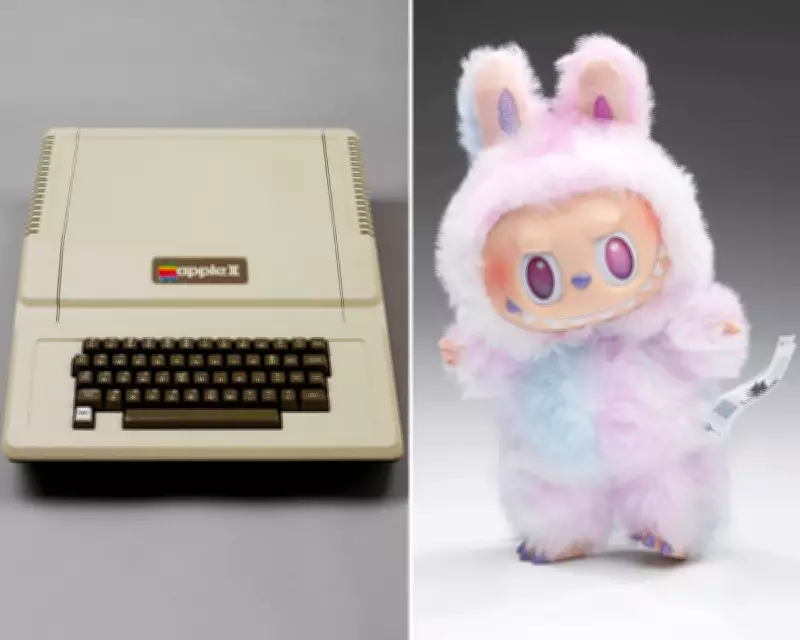
Eleven objects in the galleries were sourced from the Rapid Response scheme, which allows the public to suggest contemporary items for inclusion. Notable examples include Snake Island stamps symbolising Ukraine's resistance to Russia, a "life medal" awarded to environmental activists imprisoned for their efforts, and a Labubu figurine. These items reflect current events and cultural phenomena, making the galleries feel immediate and relevant.
Insights from Curators and Design Stories
Corinna Gardner, the V&A's senior curator of design and digital, emphasised the galleries' goal to help visitors understand today through the past and envision a better future. She noted that design involves "material things through which we navigate our place in the world." Fresh perspectives abound, such as an Ikea lamp designed for efficient transport as much as home aesthetics, and an Apple II computer from 1977 that foreshadowed the rise of remote work.
The backstories of familiar designs reveal fascinating origins. The first baby monitor, created by Isamu Noguchi in 1937, was inspired by the Lindbergh kidnapping. Plywood's commercial use traces back to Charles and Ray Eames's wartime splints. Similarly, the burkini was invented in 2004 after designer Aheda Zanetti saw her niece struggling to play netball in traditional attire.
Focus on Data, Communication, and Disruption
The final section of the galleries concentrates on data and communication over the past 25 years. Here, visitors can see Edward Snowden's smashed laptop, on loan from the Guardian's archive, which Gardner described as fundamental to understanding digital public realms. The Labubu figurine, placed among antique books, adds a playful element, eliciting giggles from librarians and showcasing how design can disrupt conventional environments.
Gardner explained that while traditional design museums celebrate excellence, these galleries aim to be discursive and expansive, inviting discussions about what design truly means. The reworking seeks to engage diverse audiences, from school groups to regular visitors, by featuring relatable items like football kits and smartphones.
Overall, the V&A's updated galleries offer a comprehensive look at how design influences modern life, blending historical context with contemporary relevance to spark curiosity and conversation.