Reclaiming the Female Form: Women Artists Challenge Artistic Traditions
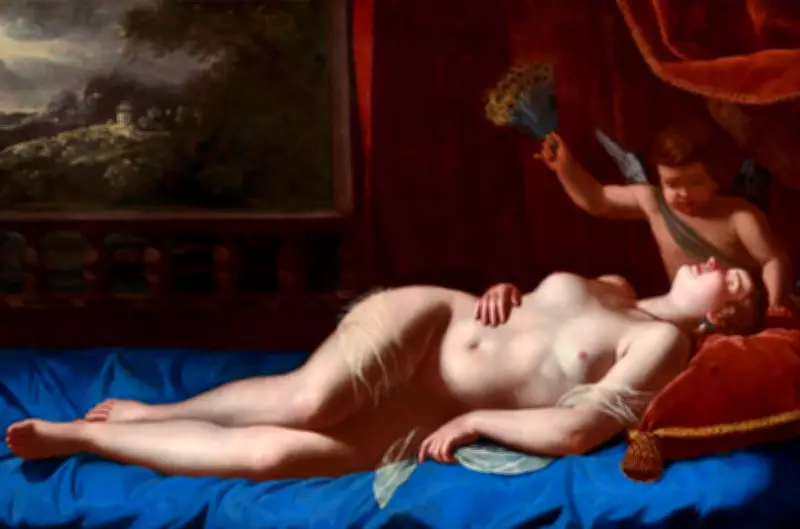
The depiction of the female nude in Western art has long been dominated by male perspectives, with artists like Titian, Botticelli, and Picasso creating idealised images that often objectify women. However, a powerful counter-narrative has emerged through the works of women artists who use self-portraiture to capture the unvarnished truth of their own bodies. This movement, spanning from historical figures like Artemisia Gentileschi to contemporary creators like Yoko Ono, forms the core of Rhiannon Lucy Cosslett's novel Female, Nude, which weaves these artists into its plot to explore themes of identity, artistry, and resistance.
The Historical Struggle for Female Artistic Authority
For centuries, women artists faced significant barriers, including limited access to nude models, forcing many to rely on their own bodies for inspiration. This act of self-representation was often met with outrage or dismissal, as seen in the case of Carolee Schneemann, whose 1975 performance piece Interior Scroll involved reading a manifesto while nude, challenging critics who told her to "put your clothes back on." Schneemann's work highlighted the dual role of women as both image and image-maker, a theme that resonates throughout art history.
Similarly, artists like Amrita Sher-Gil faced expulsion from art school for daring to paint nudes, yet she persisted, creating works like Self-Portrait As a Tahitian in 1934, which critiques Gauguin's colonial gaze. These efforts underscore how female artists taking authority over their nudity is inherently political, threatening established norms and sparking debates about taste and propriety.

Pioneering Self-Portraits and Their Impact
Officially, the first female nude self-portrait is attributed to Paula Modersohn-Becker in 1906, a painting that opens Cosslett's novel. This work set a precedent for others, such as Gwen John, who in 1909 sketched herself nude in a mirror, freeing herself from the male gaze of her lover Auguste Rodin. John's act of being her own muse, rather than a subject for male artists, exemplifies the shift towards self-empowerment in female art.
The novel also draws on diverse media, including performance art like Yoko Ono's Cut Piece, where audience members cut off her clothing, and photography by Francesca Woodman, whose nudes capture the strangeness and power of inhabiting a young woman's body. These works expand the definition of the female nude, addressing issues such as ageing, motherhood, disability, race, and sexual desire.
Refuting the Male Gaze Through Art
Many of these artists actively reject the male gaze, creating works that are frank and naturalistic rather than idealised. For instance, Suzanne Valadon's Self-Portrait With Naked Breasts from 1931 presents her body as a fact of life, not an object for ogling, reflecting her experience as a model who learned from artists like Renoir. Similarly, Alice Neel's self-portraits depict an aged, lived-in body, challenging societal expectations of beauty and youth.
Emma Amos further critiques the artistic canon with works like Work Suit from 1994, where she wears Lucian Freud's naked body like a garment, satirising the dominance of white male artists. These contributions highlight how women have reinvented the female nude, making it a tool for personal and political expression.
The Legacy and Future of Female Nude Art
Despite progress, many of these artists, such as Emma Amos, remain underrecognised, underscoring the ongoing need for broader appreciation in art history. Cosslett's novel serves as a tribute to their work, imagining conversations between its protagonist, Sophie, and artists like Artemisia Gentileschi, whose painting Susanna and the Elders powerfully depicts misogyny and harassment.
As Sophie reflects in the novel, these artists declare, "Here I am, you're saying. Let me show you what a woman can do. Because only a woman could have made this." This sentiment captures the essence of a movement that continues to evolve, with contemporary artists like Tracey Emin and Zanele Muholi pushing boundaries further. Through their efforts, the female nude has been transformed from a passive subject into a dynamic medium for truth and empowerment.