Hollywood's New Aesthetic: From Aspiration to Alienation as Stars Transform
Hollywood's New Look: From Aspiration to Alienation

Hollywood's Shifting Beauty Ideals: From Glamour to Uncanny Valley

In the glittering world of Hollywood, a profound transformation is underway. The traditional beauty standards that once defined Tinseltown—polished, symmetrical, and healthily slim—are being replaced by an aesthetic that many find unsettling and alienating. This shift raises critical questions about Hollywood's enduring cultural power when its stars no longer resemble aspirational figures but instead evoke concern or confusion among the public.

The Jim Carrey Controversy: A Pivotal Moment

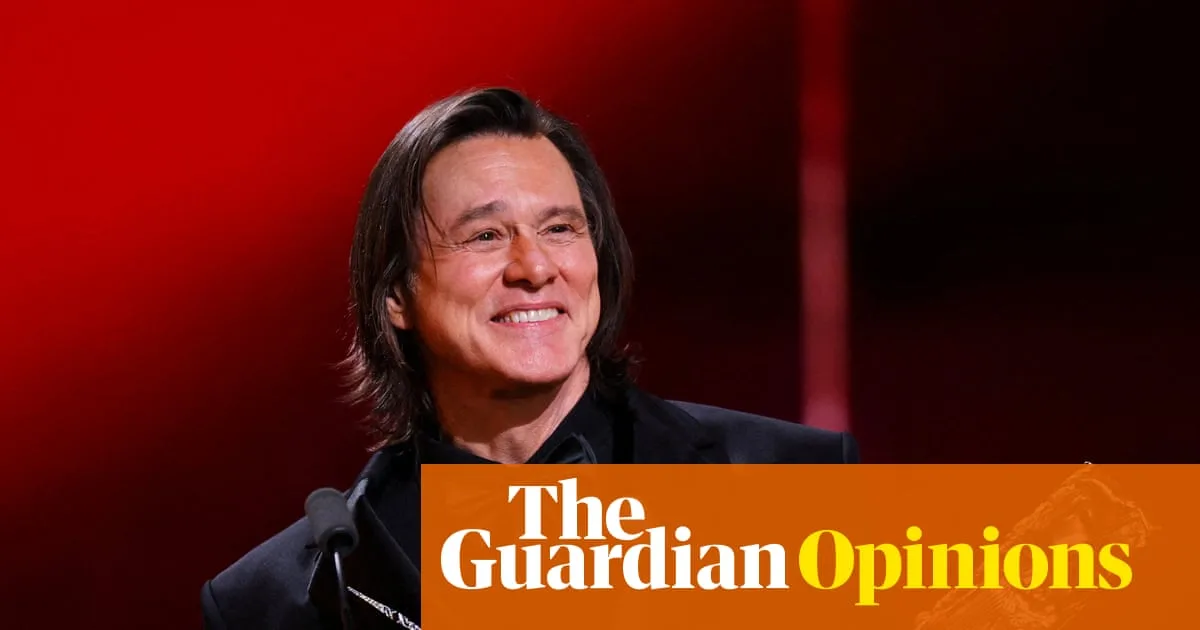
The 2026 César awards in Paris became an unexpected flashpoint for this cultural conversation. When Jim Carrey took the podium to accept his award, his appearance sparked widespread speculation that he might be a body double. The 64-year-old actor's features appeared dramatically altered: his eyes seemed wider, his cheeks unnaturally plumped and defined, and his skin displayed an unusually smooth texture. Even his eye color appeared different from what audiences remembered.

The speculation grew so intense that Carrey's representatives had to publicly verify his identity, emphasizing that he had indeed worked on his French-language speech for months. The controversy stemmed partly from the disconnect between Carrey's famously expressive, animated face—central to his comedic appeal—and the seemingly frozen features he presented at the ceremony.

Wide Pickt banner — collaborative shopping lists app for Telegram, phone mockup with grocery list

Two Converging Phenomena Reshaping Hollywood Faces

This new Hollywood aesthetic emerges from two powerful trends converging simultaneously:

  1. GLP-1 Medications: Drugs like Ozempic, Wegovy, and Mounjaro have revolutionized weight management in Hollywood, producing rapid and significant weight loss across the industry. The "Ozempic face" phenomenon describes how rapid fat loss can lead to volume depletion in facial tissues, creating a gaunt, aged appearance that contrasts sharply with traditional Hollywood glow.
  2. Advanced Cosmetic Procedures: There has been an acceleration in cosmetic interventions gaining popularity. These include facial fillers, brow lifts, buccal fat removal (surgical extraction of cheek fat pads creating sharp, hollowed contours), lip enhancements, and rhinoplasty. When combined with GLP-1-induced weight loss, these procedures can produce almost skeletal facial structures visible on red carpets through dramatically hollowed cheekbones, prominent collarbones, and extremely slender arms.

The Uncanny Valley Effect and Its Consequences

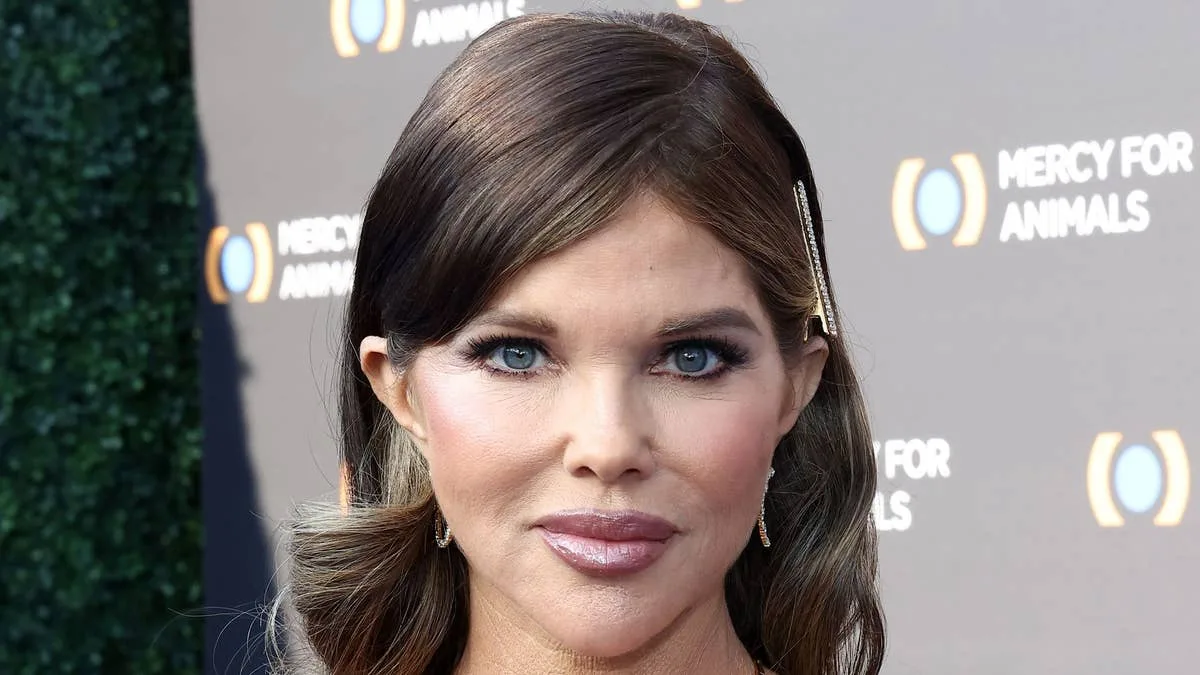
The combined result of surgical enhancements and pharmaceutical weight loss creates a specific aesthetic that many describe as slightly uncanny and unnatural. These faces appear clearly worked upon, while bodies become dramatically thin. The overall effect feels unsettling—as if authentic humans have been replaced by smooth, artificial replicas.

For cinema itself, this presents significant challenges. Actors traditionally reflect life back to audiences, requiring them to resemble enhanced versions of ordinary people. When faces lose their natural mobility or display obvious artificial enhancements, it can disrupt audience immersion in storytelling.

Ethan Hawke, nominated for a Best Actor Oscar, has embraced natural aging at 55, with his face showing the lines of experience. In his film Blue Moon, he portrays a character consumed by jealousy and washed-up dreams. Could this performance have succeeded with an immobilized, filler-enhanced face? Likely not—such alterations would have distracted audiences from the narrative.

Voices of Resistance in the Industry

Jamie Lee Curtis represents another prominent voice advocating for natural aging in Hollywood. She recently told The Guardian: "I've been very vocal about the genocide of a generation of women by the cosmeceutical industrial complex... There's a disfigurement of generations of predominantly women who are altering their appearances."

In an era increasingly dominated by artificial intelligence, misinformation, and digital replication, human bodies remain stubbornly authentic repositories of experience. Human faces carry years of laughter, sorrow, genetic heritage, and lived history. Erasing these markers from public figures feels, to many observers, like another assault on genuine humanness.

Pickt after-article banner — collaborative shopping lists app with family illustration

Cultural Power at Stake

While individuals maintain absolute autonomy over their bodies and appearances, public reception matters profoundly for Hollywood's cultural influence. As celebrities increasingly adopt aesthetics that appear strange or unnatural to mainstream audiences, the likelihood diminishes that the public will embrace these new beauty standards.

Hollywood already contends with diminishing financial and cultural authority. When movie stars cease to be figures of admiration—whose hairstyles, fashion choices, and fitness routines people emulate—the industry's cultural power erodes further. As critic Angelica Jade Bastien noted in Vulture, Hollywood faces not just financial crises but artistic ones, with many films failing to engage meaningfully with modern human experience while stars transform toward "fascistic markers of beauty" emphasizing extreme thinness, whiteness, and timelessness.

A Broader Cultural Question

The fundamental question remains: How can audiences sustain belief in Hollywood's dream when, for those within it, the reality increasingly resembles a nightmare? The industry's new aesthetic—born from pharmaceutical and surgical interventions—creates distance where connection once thrived. As red carpets generate more concern than admiration, and comment sections fill with expressions of worry rather than aspiration, Hollywood must confront whether its evolving beauty standards strengthen or undermine its cultural relevance in an increasingly skeptical world.