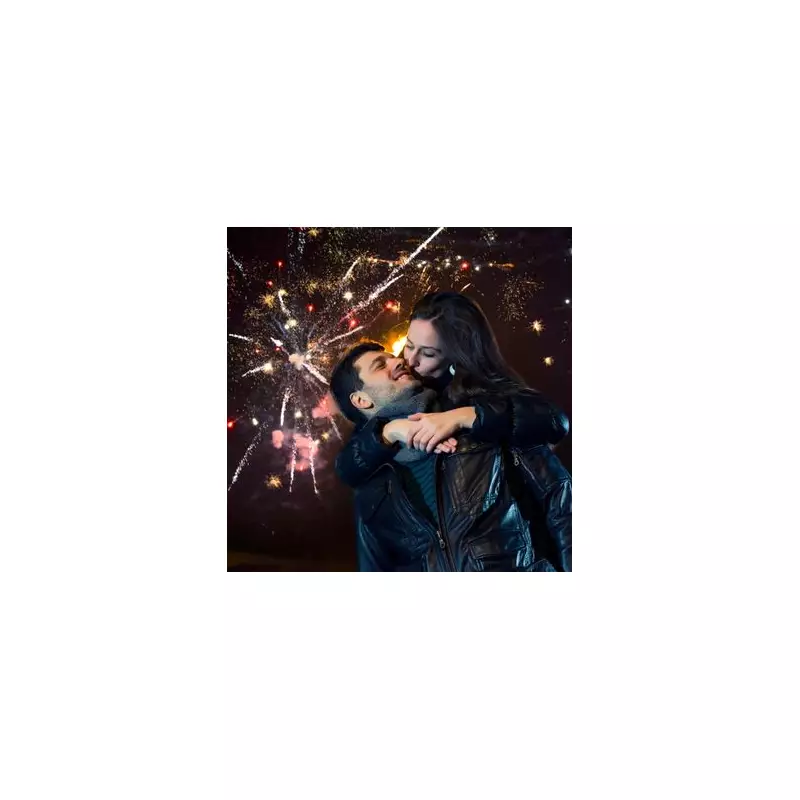
As the clock strikes midnight on December 31st, millions across the globe will lean in for a New Year's kiss, a tradition steeped in mystery and romance. While this festive custom is observed worldwide, its precise origins are surprisingly elusive, with roots tangled in ancient winter festivals and medieval legend.
Ancient Festivals: The Pagan and Viking Precursors
Experts frequently trace the tradition's beginnings to two historic celebrations: Saturnalia and Hogmanay. Saturnalia was a raucous ancient Roman pagan holiday held around the winter solstice, between December 17th and 23rd. Characterised by public feasting and merriment, it is believed the celebratory atmosphere and inebriation eventually became linked with the idea of kissing as part of the festivities.
The Viking-derived Scottish tradition of Hogmanay offers a more direct link. This custom, still vigorously celebrated today, involves the practice of 'first-footing' and greeting both friends and strangers with a kiss to wish them a prosperous New Year. This suggests the kiss acted as a symbolic gesture of goodwill and fortune for the year ahead.

A Literary First: The Arthurian Legend Reference
The earliest known written hint of a New Year's kiss appears not in a historical record, but in fiction. Folklore expert Professor Christina Fitzgerald from the University of Toledo points to 'Sir Gawain and the Green Knight', a 14th-century Arthurian poem.
In the epic, a passage describes a party where women are to give "gifts" to the men. Professor Fitzgerald notes that within the context of the legend, these "gifts" are widely interpreted by scholars as kisses, marking one of the first cultural references to the practice tied to the New Year.
From Superstition to Modern Tradition
So why has this specific custom captured the public imagination for so long? Professor Daniel Compora, another folklore expert at the University of Toledo, explains that the kiss is deeply entwined with English and German folklore. The belief held that who you are with at midnight portends the luck you will have for the coming year.
"Superstitions usually imply some element of cause and effect," Compora said. "If people truly believed that kissing someone could prevent a year of loneliness, it would constitute superstitious behaviour."
Today, however, he classifies the act more as a widespread tradition than a genuine superstition. It is a practice passed down through generations rather than a firm belief that the kiss itself will alter fate. With a hint of humour, Professor Compora added, "Quite honestly, it sounds like an excuse to kiss people who may not otherwise allow you to do so."
Ultimately, whether driven by ancient ritual, a quest for luck, or simple festive affection, the midnight kiss on New Year's Eve remains a powerful, unifying tradition as the calendar turns.