The Unconventional Journey of Ted Milton: Puppeteer, Poet, and Post-Punk Pioneer
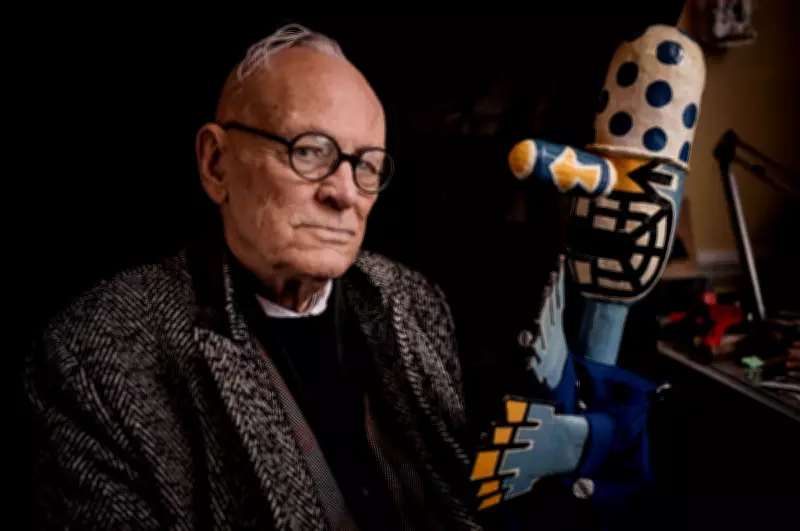
In a cluttered studio above a Deptford rehearsal space, Ted Milton sits surrounded by record boxes, poetry books, and a single bright orange suitcase. At 82, the saxophonist, poet, and avant-garde puppeteer speaks quietly, using sticks to move around, yet his spirit remains undimmed as he prepares for another European tour with his long-running band Blurt and releases a new album with his duo the Odes.
A Life in the Cultural Shadows
Milton has been a peripheral yet influential figure in British postwar culture for decades. He recalls sharing taxis with Beat generation icon William S. Burroughs during the 1960s and being described as visionary by his old drinking companion Eric Clapton. His puppet show found its way into Terry Gilliam's 1977 film Jabberwocky, while rumours persist that his overcoat featured in a lost promotional film for Pink Floyd's 1967 song Scream Thy Last Scream.
"The groove they had was utterly fabulous," says Graham Lewis of post-punk band Wire about Blurt, the bass-less trio Milton formed that combines drums, guitar, and his distinctive horns and vocals into raucous, jazzy performances.

Family Reckoning Through Puppetry
Now, in what he calls "the autumn of a long and sometimes outrageous life," Milton faces a reckoning from his own family. Married three times and father to five children, the most recent born when he was nearly 70, Milton is the subject of a new documentary by his son George titled The Last Puppet Show. The film uses Milton's reanimated puppets to explore his work and sometimes fraught relationships.
"It's like a therapy session for kids," Milton says cautiously of the project. When I suggest it represents his family confronting him with their perspective, he responds: "That's what I'm afraid of."
Rebellious Roots and Bohemian Beginnings
Milton's rebellious streak began early. When his parents moved to West Africa when he was 11, he was sent to boarding school, where he found independence but also faced repression and bullying. Music became his solace through a Dansette record player playing Elvis, Carl Perkins, and Little Richard, while disobedience became his safety valve. "I was looking to disrupt classes," he recalls. "Just be an arsehole, you know?"
After dabbling with art studies in Cambridge and its jazz scene, Milton literally fell in with London's bohemian set after being rescued from lying in mud at a jazz festival by a group including poet Pete Brown. Brown encouraged Milton's poetry, which even appeared in The Paris Review in 1963, though Milton admits he sometimes invoked the struggling poet persona simply to cadge drinks from strangers.
Puppetry as Performance Animation
By the late 1960s, Milton had taken a position at a puppet theatre in Wolverhampton before moving to glove shows. "It's a whole different dynamic: violence," he says, miming a Punch and Judy style performance. "I call it performance animation."
Roger Law, co-creator of Spitting Image, praises Milton's uncanny ability to bring puppets alive. "If you talk to Ted," says Law, recalling their benders together, "you can't tell the surreal from the reality."
For Milton, puppets offer unique possibilities: "Puppets' eyes are dead. They don't feel challenged, they're not afraid. This gives you this unrecognised but really potent possibility to get into people, and you can go to places in their head they don't want you to."
From Puppet Shows to Post-Punk
Milton's puppetry led to some of the strangest support slots in 1970s rock music, including performances for Eric Clapton and Ian Dury. He recalls doing support for Clapton in 1976: "I got the puppet theatre out there, the puppets are this big" – he holds his hands a small distance apart – "and we're talking about 1,000 people. Immediately, a roar comes up: 'fuck off!'"

His outrageous, profane performances featuring characters like Deepthroat Porker, Constable Nosey Parker, and The Egg Dog eventually gained recognition. Tony Wilson featured Milton's puppetry on his groundbreaking So It Goes TV show in 1976, catching the attention of Graham Lewis and Colin Newman of Wire. When Milton formed Blurt a few years later, Wilson made them one of the first bands from outside Manchester to feature on his Factory Records label.
Charisma as Psychosis
When asked what gripped Eric Clapton about his performances all those years ago, Milton responds: "I think we're talking about charisma. And charisma is a form of psychosis, to my mind." He cites Alice Miller's book The Drama of the Gifted Child, which argues that children often suppress their authentic selves.
"This kind of intense self-consciousness has abated, mercifully," he reflects. "One person described it as feeling like you're walking about on stilts all the time, and that's it – every movement it's like someone looking at you." When I suggest this means he felt like a performer all the time, he laughs: "Yeah. I'm not like that any more. Hahaha!"
Compromises and Continuation
While Milton's anti-authoritarian streak remains strong, age has forced compromises. "The last couple of shows I've had to do sitting down, which I really dreaded," he admits. "But actually it kind of opens up a different dynamic. It seems to make things more concentrated somehow."
Looking back on his wilder days, Milton acknowledges: "I don't suppose I made any attempt to make any concessions to anybody anywhere along the line." He even reveals that one person who beat him up was a bandmate.
As Blurt tours Europe and The Last Puppet Show approaches completion, Ted Milton continues to defy expectations, proving that creative rebellion knows no age limits.