Royal Biographer Unveils Queen Elizabeth II's Core Philosophy
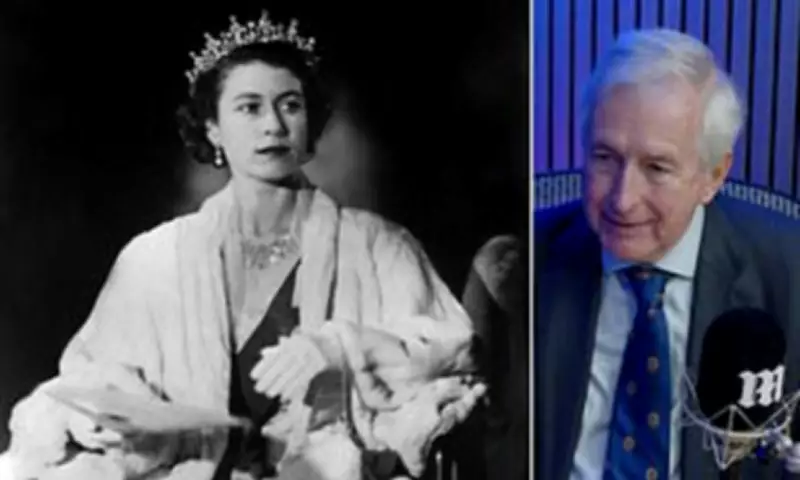
Legendary royal biographer Hugo Vickers has disclosed what he identifies as the fundamental philosophy that guided Queen Elizabeth II through her unprecedented seventy-year reign. To commemorate what would have been the late monarch's one hundredth birthday next month, Vickers has authored Queen Elizabeth II: A Personal History, a biography enriched with his personal recollections of Her Majesty. The book is currently being serialised in the Daily Mail newspaper.
A Personal Perspective Forged Through Decades
Vickers enjoyed over forty meetings with the Queen throughout her lifetime, with this publication drawing upon more than sixty years of meticulous research and entries from his private diary. Speaking to columnist Sarah Vine on the Daily Mail's Deep Dive podcast, Vickers reflected on the profound impact of King George VI's death in 1952 on his daughter's conception of monarchy.
'When she became Queen, her philosophy was very much that she wanted to do a really good job for her father,' Vickers revealed. 'If there's an afterlife and she met him, she could look him square in the eyes and he would say: you did a fantastic job for me. I'm sure that was very important to her.'

The Art of Quiet Diplomacy and Reconciliation
Vickers posited that one of the late Queen's 'greatest skills' was her ability to remain silent until she had something truly valuable to contribute. Examining decades of speeches by both the Queen and Prince Philip, Vickers identified a consistent, unifying theme.
He explained: 'It took me a long time to realise that the Queen and Philip's message was basically one of reconciliation the whole time. If you look back at her speeches, they are all along the same lines: we cannot change the past, but we can build bridges towards the future.'
He cited the 1958 state visit of German President Theodor Heuss as a prime example. 'His books were burnt by the Nazis. He spent the whole war in hiding. He was an ideal post-war president, but the British public weren't quite sure. All the time, she tried to open the diplomatic path to make things easier for the rest of us - and other things would then follow.'
A Life Defined by Duty Over Self
Vickers also observed that Elizabeth II possessed 'no real sense of self' independent of her role as sovereign. He argued that when confronted with challenging decisions, she would instinctively subordinate her personal feelings.
'When someone presented her with a difficult issue, she would say: 'What should the Queen do?' Not, what should I do,' Vickers noted, highlighting her complete identification with the institution of the monarchy.
This new biography, drawn from a unique lifetime of access and study, offers a deeply personal window into the mindset of Britain's longest-reigning monarch, revealing a ruler driven by familial duty, strategic silence, and a relentless pursuit of national and international reconciliation.