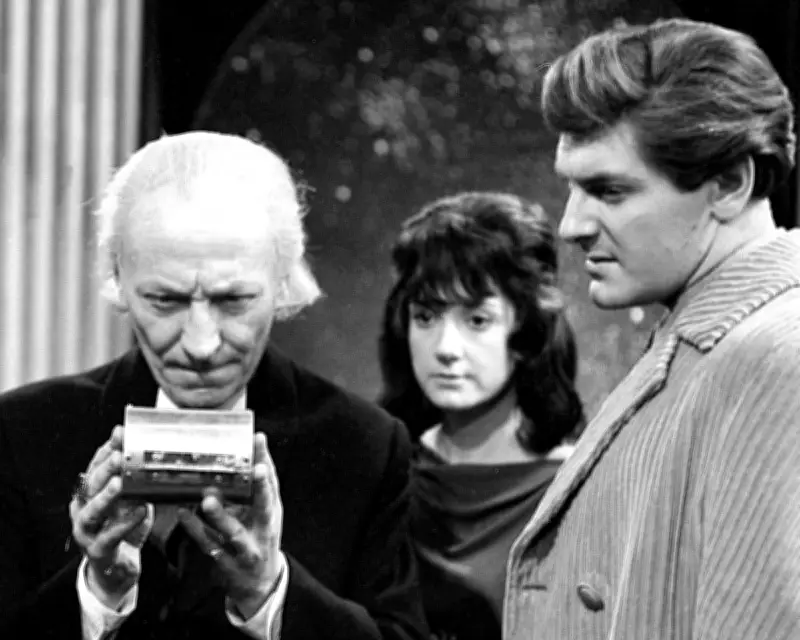
Rediscovered Doctor Who Episodes Illuminate William Hartnell's Legacy
The unexpected return of two William Hartnell-era episodes to the BBC archive has sent waves of excitement through the Doctor Who fandom. For the first time since their original broadcast in 1965, viewers can now experience the opening chapters of the monumental 12-part serial The Daleks' Master Plan.
A New Perspective on Classic Who
The five surviving episodes, now available on BBC iPlayer, present a fascinating glimpse into mid-1960s television production. The first three installments feature impressive set designs ranging from the Earth control centre to the Dalek command ship, contrasted with the dense, foreboding jungles of the planet Kembel. Director Douglas Camfield's frequent use of tight close-ups creates a palpable sense of claustrophobia during the jungle sequences, heightening the dramatic tension.
What makes these rediscoveries particularly significant is the opportunity to reassess William Hartnell's tenure as the First Doctor. At the time of filming, Hartnell was unaware that within a year he would be replaced by Patrick Troughton. His reputation has often been overshadowed by health issues, reported difficulties on set, and the demanding production schedule that allowed little room for error.

Hartnell at His Best
In these recovered episodes, we witness Hartnell delivering some of his strongest performances as the Doctor. With companion Steven Taylor (Peter Purves) incapacitated by poison and Katarina (Adrienne Hill) serving as a somewhat underwritten character, Hartnell carries much of the narrative weight. The actor shines particularly in moments of scientific ingenuity, delighting in his invention of a magnetic chair and demonstrating clever tactics to repel boarders from the TARDIS.
The recovered material also offers delightful surprises for television historians. Beloved children's presenter Brian Cant demonstrates his dramatic range beyond Playschool, while a young Nicholas Courtney appears as Bret Vyon, years before he would become iconic as Brigadier Lethbridge-Stewart. The Dalek council scenes feature wonderfully eccentric alien designs that predate the more standardized appearances of later seasons.
Production Context and Mysteries
The production context reveals fascinating behind-the-scenes dynamics. Katarina's character, introduced just episodes earlier to replace departing companion Vicki, already shows signs of creative uncertainty. The Doctor's instruction to her - "Don't ask questions and do as you are told" - speaks volumes about the character's limited development. This contrasts sharply with later, more successful attempts at creating naive companions like Tom Baker's Leela.
Remarkably, for a Dalek-centric story, the extermination count remains surprisingly low at just two deaths. Yet the stakes couldn't be higher, with the Daleks plotting universal domination using the terrifying "time destructor" weapon. This escalation from planetary to universal threats established a narrative pattern that would influence Doctor Who storytelling for decades to come.
The Mystery of Survival
The circumstances surrounding these episodes' preservation remain intriguing. Film is Fabulous, the organization responsible for their recovery, has maintained the anonymity of the previous holder while respecting the estate's wishes. The discovery is particularly surprising given that The Daleks' Master Plan was never sold overseas, making its missing episodes among the least likely to be recovered. This raises tantalizing questions about what other lost television treasures might still await discovery.
Historical Significance
This story marks William Hartnell's final confrontation with the Daleks as primary antagonists. The pepper-pot villains would appear in only two Patrick Troughton stories before disappearing from television until 1972's Day of the Daleks. The serial also connects to several notable Doctor Who milestones, including the standalone prequel Mission to the Unknown (the only episode to feature no regular cast members) and Nicholas Courtney's unique achievement of appearing opposite all seven classic Doctors.

In contemporary Doctor Who, the story's legacy continues. The 2022 BBC centenary special The Power of the Doctor featured Sacha Dhawan's Master riffing on the serial's title, while expanded universe audio dramas have explored missing episode mysteries. As the Doctor Who universe continues to expand, these rediscovered episodes provide invaluable insight into the program's formative years and William Hartnell's crucial contribution to television history.