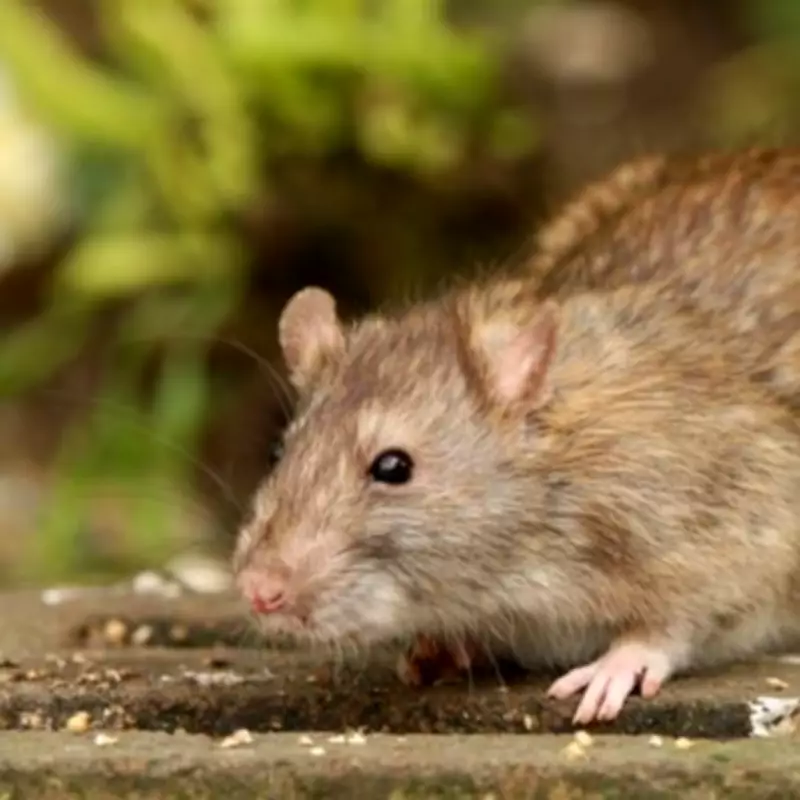
Rats are a pervasive issue in gardens throughout the United Kingdom, often leaving homeowners uncertain about effective eradication methods. Celebrated gardening authority Alan Titchmarsh has now disclosed his professional recommendations to prevent these unwelcome creatures from establishing themselves in outdoor spaces.
Why Rats Target Gardens
This period of the year is particularly conducive for rat activity, coinciding with their prime breeding season. These rodents are actively searching for sustenance and refuge, frequently perceiving our gardens as ideal locations to fulfill both needs. Their presence can lead to damage and health concerns, making proactive measures essential.
The Power of a Well-Maintained Lawn
Fortunately, a straightforward adjustment can significantly reduce your garden's appeal to rats. Alan Titchmarsh advocates for maintaining short grass, as it eliminates hiding spots that rats rely on for cover.

In a segment for BBC Gardeners' World Magazine, he elaborated: "Rats are furtive. They like cover and shelter. They do not like close-mown grass where they can be seen. They much prefer it longer."
Consistently cutting your grass can profoundly impact deterring rats from entering your garden. Alan further noted: "If you have got long grass everywhere, that gives them access. Cut it short, have a stripe or two if you want, and that way you can see, no rats."
Strategic Bird Feeder Placement
The expert had previously highlighted how bird feeders, while beneficial for avian visitors, can inadvertently attract rats. Alan remarked: "Most gardeners, myself included, love encouraging garden birds, so bird feeders are everywhere in this garden. But, they can also be a magnet for rats."
To mitigate this risk, he recommends positioning bird feeders in the centre of your lawn. Rats are averse to traversing open, exposed areas, so keeping feeders distant from bushes, hedges, or walls can effectively discourage them.
Managing Compost Heaps
Compost heaps represent another significant attraction for rats. Alan advises constructing them as solid structures with minimal gaps. His personal compost heap is crafted from robust wood, reinforced with steel sheeting internally.
He explained: "Hopefully that goes right down to the ground. They can burrow underneath it, but I am really reducing their ability to get in with ease. That's a start, make the heap with good, strong sides."
Additionally, careful selection of compost materials is crucial. Alan cautioned: "Don't put processed food, anything you have cooked, any meat, any potatoes. Don't do that because it's just an absolute open invitation for rats." Instead, he suggests incorporating items like mouldy apples, which decompose rapidly, along with green garden clippings.
By implementing these practical strategies—maintaining short grass, thoughtfully placing bird feeders, and securing compost heaps—gardeners can create an environment that is far less inviting to rats, thereby protecting their outdoor sanctuaries.