England's New Standardised Recycling Rules: Four-Bin System Explained
New standardised rules for household waste and recycling have been implemented across England, coming into force from Tuesday, 31 March 2026. This initiative replaces the previous "confusing patchwork of systems" with a streamlined approach designed to simplify collections and ensure a greater volume of high-quality recycled material is processed.
What Are the New Recycling Requirements?
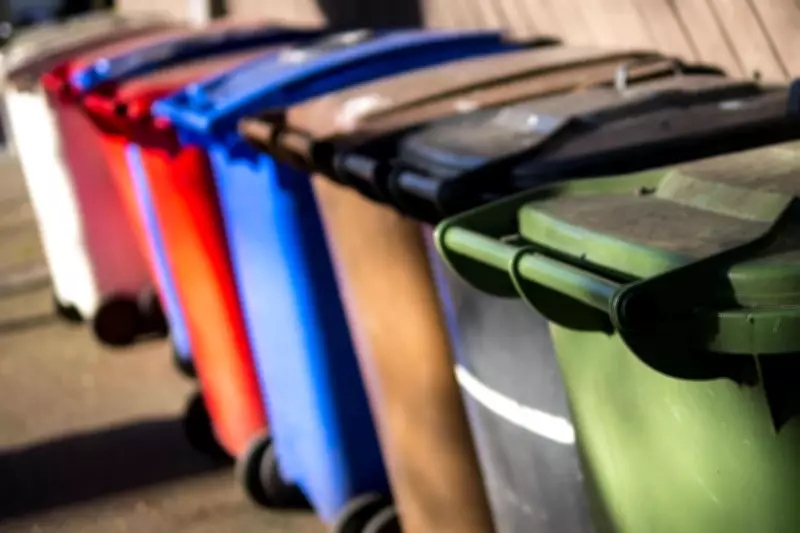
Under the new regulations, households in England will typically separate their waste into a maximum of four distinct bins:
- Food and garden waste
- Paper and card
- Dry recyclables
- General non-recyclable rubbish
This standardised system aims to make recycling easier for residents by providing clear, consistent guidelines across the country, reducing confusion and increasing participation in recycling efforts.

Government Support and Funding for Implementation
Ministers state that the new regulations offer local authorities flexibility to deliver services best suited to their communities. Councils are receiving significant funding to support the transition, including £340 million to facilitate the rollout of the new system. Additional support is available for area-specific implementation challenges, ensuring that all regions can adapt effectively to the changes.
The initiative is part of wider government efforts to boost a circular economy, promoting sustainability and reducing environmental impact through improved waste management practices.
Impact on Households and Recycling Quality
By standardising recycling rules, the government aims to streamline collections and enhance the quality of recycled materials. This move is expected to lead to more efficient processing and higher recycling rates, contributing to environmental goals and reducing landfill waste.
Households are encouraged to familiarise themselves with the new guidelines to ensure compliance and support the success of this nationwide effort.