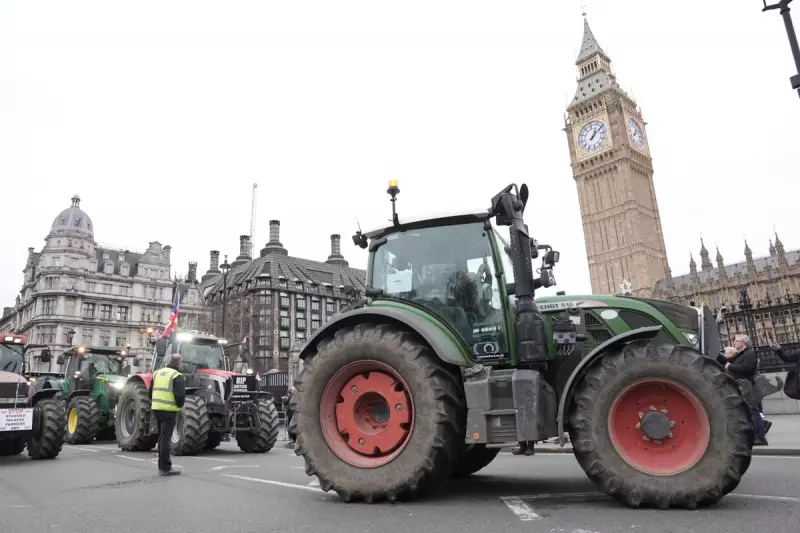
British farmers are expressing profound alarm over the future of their industry, with a government-commissioned report warning that many feel "bewildered and frightened" by Labour's controversial changes to inheritance tax rules. The reforms, which impose a levy on agricultural assets, have sparked sustained protests, including tractor convoys to Parliament in central London.
What Are the New Inheritance Tax Rules for Farms?
Previously, farming businesses benefited from 100% relief on inheritance tax for both agricultural property and business assets. The new policy, often dubbed the 'tractor tax', introduces a significant shift. Now, an effective inheritance tax rate of 20 per cent will be applied to the value of a farm's agricultural and business assets that exceed a £1 million threshold.
The government argues that the actual threshold for paying could be as high as £3 million for couples, once various exemptions are combined. It states the move, aimed at filling a £22 billion fiscal hole inherited from the Conservatives, makes the system fairer. Treasury figures indicate that the wealthiest 7% of estates claimed 40% of the relief's total value, costing £219 million.

How Many Farmers Will Be Impacted?
According to the Treasury, around 27 per cent of estates claiming Agricultural Property Relief (APR) were above the £1 million mark in 2021/2022, suggesting the majority of farms may not be immediately affected. Officials estimate roughly 500 estates a year will pay inheritance tax under the new rules.
However, the National Farmers' Union (NFU) presents a starkly different picture. It highlights that the crucial change is the merging of two separate reliefs into one £1 million allowance. Previously, business property relief—covering assets like machinery, livestock, and diversified ventures—was separate. The NFU cites Department for Environment, Food and Rural Affairs (Defra) data showing that 66 per cent of farm businesses in England have a net value exceeding £1 million, potentially bringing many more into scope.
Why Are Farmers So Angry About the Reforms?
The core of the anger lies in the disparity between high asset values and low income returns in farming. NFU President Tom Bradshaw argues that while a farm's land may be nominally valuable, the families running it often lack the cash reserves to pay a large tax bill without selling off parts of the business.
Bradshaw states the change has created a "cruellest predicament" for elderly farmers, who may not live the seven years required to gift assets tax-efficiently. He also warns it will undermine investment, as farmers become wary of growing their balance sheet if it increases their future inheritance tax liability. There are further concerns about the knock-on effect on tenant farmers if landowners lose their tax incentive to keep land in agricultural use.
The issue was prominently raised in the farm profitability report by former NFU president Baroness Minette Batters, published on Thursday 18 December 2025. While not within her review's formal scope, she noted it was raised by almost all respondents and is a source of "significant ongoing concern" for business viability. The report calls for a "new deal for profitable farming."
As protests continue, with figures like Jeremy Clarkson showing support at rallies, the sentiment among farmers, as summarised by Bradshaw, is a feeling that the government does not understand the realities of food production.