The Labour government has ignited fresh concerns within the UK's agricultural sector after announcing significant animal welfare changes that farmers warn could leave them vulnerable to being undercut by foreign competitors. The proposals, unveiled on Monday, form a key part of the government's wider animal welfare strategy.
Core Proposals: A Ban on Cages and Crates
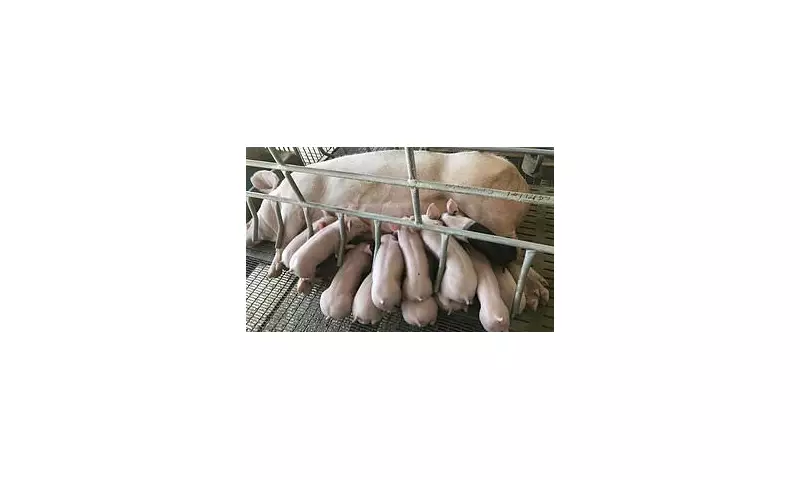
Under the new plans, two specific farming practices would be outlawed. The first is the use of colony cages, which are used to house dozens of egg-laying chickens. The second is the use of farrowing crates, restrictive enclosures for female pigs in the period after they have given birth.
While the government argues these moves elevate welfare standards, the immediate backlash centres on the potential for market distortion. These same methods remain perfectly legal in several countries that are major exporters of meat to Britain, including Poland, Spain, and Ireland.

The Import Loophole and Industry Backlash
This discrepancy has triggered alarm that British farmers adhering to the new, higher standards will face an influx of cheaper meat produced to lower welfare rules from abroad. The European Union has pledged to phase out caged farming by 2027, but progress is reported to be slow, widening the potential competitive gap.
Tom Bradshaw, the president of the National Farmers' Union (NFU), issued a stark warning. He stated that if the government raises domestic standards, it must simultaneously protect consumers and farmers from food imports produced to lower standards that would be illegal here.
"We have long called for a set of core standards for food imported into the UK; it must meet the same production standards as asked of our farmers," Bradshaw emphasised.
The criticism was echoed by the opposition, with Victoria Atkins, the Tory environment spokesperson, accusing Labour of "yet again favouring foreign farmers over British farmers by allowing substandard foreign imports to undercut our already-high welfare standards."
Broker Strategy and Rural Reaction
The government's strategy also includes a proposal to ban trail hunting, with officials alleging it acts as a 'smokescreen' for illegal fox hunting. This has further fuelled a debate about the government's relationship with the countryside.
A spokesman for the Prime Minister denied the plans amounted to a 'war on the countryside', stating: "We have said that we share the British public's high regard for the countryside in lots of ways, whether it's through farming or the animal welfare strategy."
However, Tim Bonner, chief executive of the Countryside Alliance, countered this, defending trail hunting as a legal activity supporting jobs and communities. He urged the government to focus on policies that help rural communities thrive "rather than pursuing divisive policies that hinder them."
The announcement leaves key questions unanswered about how the government intends to level the playing field for British producers, setting the stage for a fierce policy battle over the future of UK food standards and farming competitiveness.