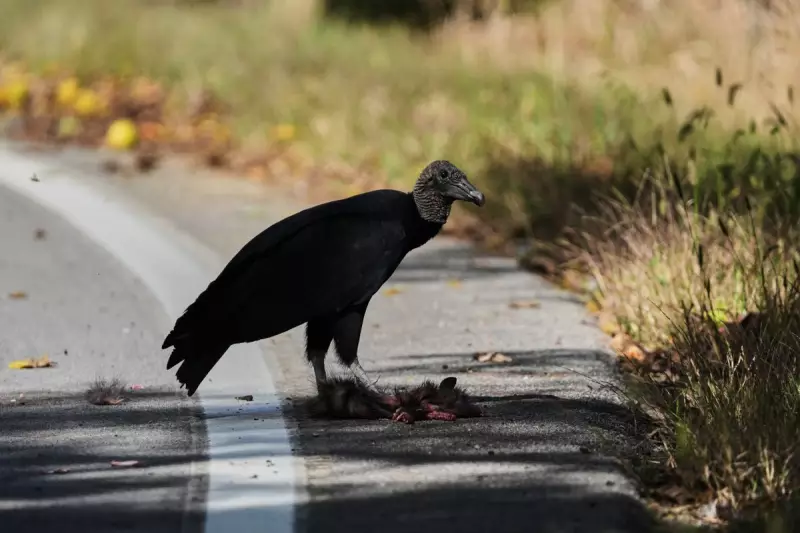
Across rural America, cattle farmers are waging an unexpected battle against an unlikely predator – the black vulture. These intelligent birds, once primarily scavengers, have developed a taste for living prey, particularly vulnerable newborn calves, creating a crisis for livestock owners.
The Rising Threat to Cattle Herds
Black vulture attacks have become increasingly common, with farmers reporting devastating losses. Unlike their turkey vulture cousins, black vultures are more aggressive and hunt in packs, making them particularly dangerous to young livestock. The financial impact on farmers has been substantial, with some reporting losses of thousands of pounds worth of livestock.
Innovative Defence Strategies Emerge
Desperate farmers have turned to remarkably creative solutions. The most effective method discovered involves deploying 'effigies' – fake dead vultures hung in visible locations. This macabre decoration serves as a powerful warning to living vultures that the area is dangerous.

Other successful tactics include:
- Modified scarecrows: Upgraded versions that move unpredictably
- Audio deterrents: Recorded distress calls and loud noises
- Increased human presence: More frequent monitoring of calving areas
- Protective structures: Temporary shelters for vulnerable newborns
Legal Protection Complicates Control Efforts
The situation is complicated by the birds' protected status under the Migratory Bird Treaty Act. While farmers can obtain permits to kill problematic vultures, the process is bureaucratic and limited. This legal protection has forced agricultural communities to focus on non-lethal deterrent methods.
Scientific Backing for Unconventional Methods
Research from the United States Department of Agriculture confirms what farmers have discovered through trial and error. The effigy method proves particularly effective because black vultures are highly social creatures that recognise and respond to visual warnings about dangerous locations.
As one Kentucky farmer noted, "It's gruesome, but hanging a fake dead vulture is the only thing that consistently works. They see it and decide to move elsewhere."
Broader Implications for Wildlife Management
This conflict highlights the growing challenges of human-wildlife coexistence in changing ecosystems. With vulture populations expanding and their behaviour evolving, farmers and conservationists must find sustainable solutions that protect both agricultural livelihoods and wildlife.
The success of these low-tech, innovative approaches demonstrates that sometimes the simplest solutions prove most effective in resolving complex problems between human activity and wildlife behaviour.