As the Spring Equinox heralds the arrival of warmer weather, a leading gardening expert has issued a crucial warning to enthusiastic gardeners who are keen to prepare their lawns for the summer season. Clair Albone, a gardens specialist at the home improvement retailer Wickes, has cautioned that giving in to the temptation to mow the lawn immediately as daylight hours increase could ultimately cause more harm than benefit.
Timing Is Everything for Lawn Health
Clair Albone emphasizes that patience is key when it comes to spring lawn care. In an interview with the Daily Mail, she stated, 'Though the longer days and promise of warmth are tempting, it’s important to resist the urge of cutting lawns too soon.' She explains that waiting until after the last frost is absolutely essential, as mowing grass too early can damage delicate new growth and leave the lawn susceptible to harm from unexpected cold snaps.
According to Clair, the cold weather typically subsides between mid-March and early April, which is when gardeners can safely begin tending to their lawns. However, she stresses a critical condition: 'The weather needs to be consistently dry and above 10 degrees for three days to be able to start mowing.' This careful approach, she notes, is fundamental to achieving the best possible results for a lush and beautiful lawn throughout the spring and summer months.

Essential Steps for Spring Lawn Preparation
Below, Clair Albone shares her expert top tips for getting your lawn ready for the warmer season, ensuring it thrives in the coming months.
Preparing the Lawn Foundation
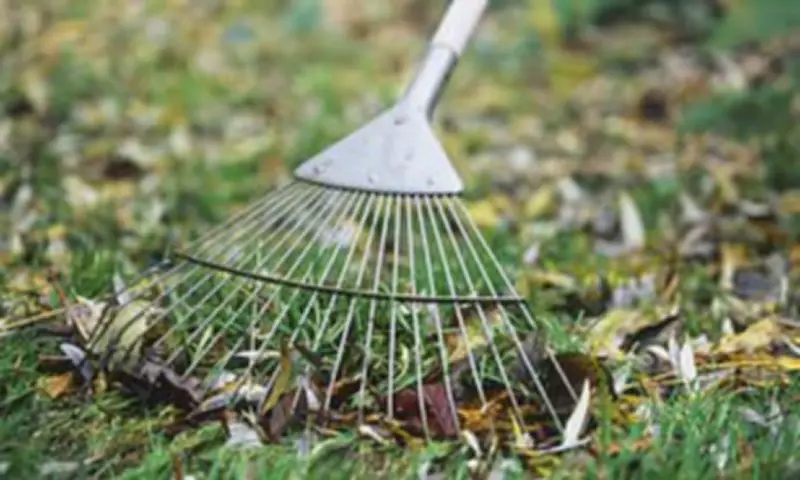
Begin by giving your lawn room to breathe ahead of spring. This involves sweeping aside leaves, twigs, and any debris left behind from the winter months. This simple action allows air and light to reach the grass and the underlying soil, which in turn kickstarts early growth and promotes overall health.
Another important consideration at this stage is feeding the lawn with essential nutrients. Clair recommends investing in a compost bin and a soil aerator to maintain soil health as effectively as possible. These tools help enrich the soil, providing a strong foundation for robust grass growth.
Combatting Moss and Weeds Effectively
Following a typically damp British winter, moss is a common issue in UK gardens, having enjoyed months of perfect conditions for its proliferation. Moss can be detrimental to lawn growth, as it has the potential to suffocate the grass and hinder its development.
Clair advises early intervention to address moss and weeds as temperatures begin to rise. She highlights a process called scarifying as the best method for this task. Scarifying involves vigorously raking your lawn to pull out moss, shallow-rooted weeds, and thatch. For optimal results, Clair recommends adding a fertiliser to the lawn after completing the scarifying process, which helps nourish the grass and encourage healthy regrowth.
Finishing Touches for a Polished Lawn
Once the lawn has been thoroughly prepared, Clair says that the cutting process can finally commence. It is best to start by going over the lawn on a high setting to avoid cutting the grass too short initially. This gradual approach helps prevent stress on the grass and promotes even growth.
To tidy up after the first mow, Clair recommends using an edger and employing edging strips as a guide. This step ensures clean, defined edges, giving your lawn a professional and well-maintained appearance that enhances the overall aesthetic of your garden.