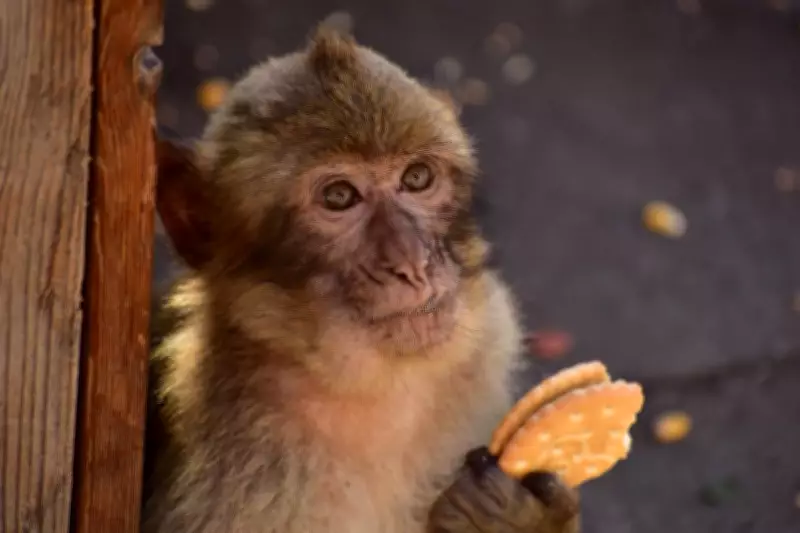
Monkeys living on Gibraltar have developed a peculiar habit: swallowing soil to alleviate digestive discomfort caused by consuming sweet and salty snacks offered or stolen from holidaymakers. Research from Cambridge University suggests that treats such as chocolate bars, crisps, and ice cream, while as appealing to the macaques as they are to humans, have negative effects on their digestive systems.
Soil as a Digestive Aid
According to the study, eating soil may enable the primates to continue indulging in junk food by lining the gut and preventing irritation from excessive sugar and fat. Scientists also believe the dirt provides beneficial bacteria and minerals absent from processed snacks.
Observations revealed that animals in frequent contact with tourists consumed more dirt, with rates peaking during the holiday season. The behaviour is thought to be socially learned, as different monkey troops show preferences for specific types of soil.

Research Findings
Dr Sylvain Lemoine, a biological anthropologist from Cambridge's Department of Archaeology and lead author of the study, explained: "We think the macaques started eating soil to buffer their digestive system against the high energy, low fibre nature of these snacks and junk foods, which have been shown to cause gastric upsets in some primates."
He added: "Our findings are more supportive of this protection hypothesis. The consumed soil acts as a barrier in the digestive tract, limiting absorption of harmful compounds. This could alleviate gastrointestinal symptoms from nausea to diarrhoea. Soil may also provide friendly bacteria that helps with the gut microbiome."
Dr Lemoine noted that non-human primates become lactose intolerant after weaning, making dairy products problematic. "Ice cream is hugely popular with Gibraltar's tourists and consequently its macaques," he said.
Impact of Tourist Food
The foods brought by tourists in Gibraltar are "extremely rich in calories, sugar, salt and dairy," which is "completely unlike the foods typically consumed by the species, such as herbs, leaves, seeds and the occasional insect," according to Dr Lemoine. He compared the macaques' craving for junk food to an evolutionary mechanism in humans that drives us to seek energy-dense foods.
"Soil-eating may allow them to keep consuming food that has negative digestive effects, but is as delicious for them as it is for us," he said. "The emergence of this behaviour in macaques is both a functional and cultural one, like nutcracking in chimps, except it is driven entirely by proximity to humans."
Study Details
Gibraltar's macaque population averages around 230 animals across eight stable groups inhabiting different areas of the Rock. During 98 observation days between summer 2022 and spring 2024, scientists recorded 46 dirt-eating "events" in 44 different animals. The average rate was an estimated 12 soil-eating events per week, comparable to the highest reported rates among primates.
Three instances of soil-eating were observed directly after animals consumed tourist food: ice cream (seven minutes earlier), biscuits (48 minutes earlier), and bread (six minutes earlier). The study is published in the journal Scientific Reports.