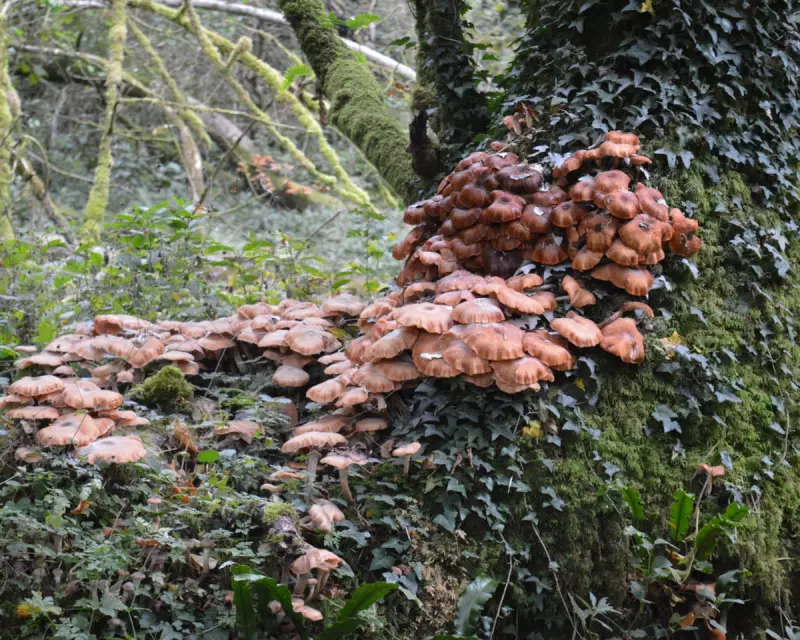
Britain's gardens are facing an unprecedented assault from one of nature's most destructive forces, as honey fungus experiences a dramatic surge following this year's extreme weather patterns. The combination of a blisteringly hot summer followed by an unusually damp autumn has created the perfect breeding ground for this silent killer of trees and shrubs.
The Perfect Storm for Destruction
According to the Royal Horticultural Society (RHS), reports of honey fungus sightings have skyrocketed, with experts describing the current situation as potentially the worst outbreak in recent memory. The fungus, scientifically known as Armillaria, has found ideal conditions to thrive and spread rapidly across British gardens.
"We're seeing conditions we haven't witnessed in many years," explains Dr. Andy Salisbury, principal entomologist at the RHS. "The hot summer stressed many plants, weakening their natural defences, while the subsequent wet weather provided the moisture honey fungus needs to proliferate explosively."
Why Honey Fungus is Gardeners' Nightmare
This isn't your ordinary garden pest. Honey fungus operates like something from a horror film, spreading underground through black, bootlace-like structures called rhizomorphs. These can travel remarkable distances, attacking and killing a wide range of trees and woody plants.
- Silent killer: Often goes unnoticed until plants suddenly die
- Broad target range: Attacks over 140 common garden species
- Difficult to eradicate: Can persist in soil for decades
- Rapid spread: Rhizomorphs can grow up to 1 metre per year
Identifying the Invader
Gardeners are being urged to remain vigilant for tell-tale signs of infection. During autumn, the fungus produces honey-coloured mushrooms at the base of affected trees and shrubs. Other warning signs include:
- Sudden death of established trees and shrubs
- White fungal growth beneath bark
- Strong, mushroom-like smell
- Cracking bark with resin bleeding
- Poor growth and premature autumn colouring
Fighting Back Against the Fungal Onslaught
While there are no chemical treatments available, gardeners aren't completely helpless. The RHS recommends several strategies to protect vulnerable plants:
Physical barriers can be installed to block the spread of rhizomorphs, while careful plant selection focusing on resistant species provides long-term protection. Regular garden hygiene and prompt removal of infected material are crucial to containing outbreaks.
"The key is early detection and swift action," advises Dr. Salisbury. "Once honey fungus establishes itself in an area, it becomes incredibly difficult to manage. Gardeners should monitor their plants closely, especially those that showed stress during the summer heat."
As climate patterns continue to shift, experts warn that such dramatic fluctuations between extreme heat and excessive rainfall may become more common, potentially making honey fungus outbreaks a recurring challenge for British gardeners. The current situation serves as a stark reminder of nature's delicate balance and how quickly it can be disrupted.